



The great Canadian trade pivot is underway. People, businesses and governments across Canada are finding ways to prioritize goods grown and produced here instead of imported from the United States. As we ditch US products and brands, there’s every reason to pivot from all the unnecessary single-use plastics that are the hallmark of American brands.
Coke, the Big Mac and California strawberries are as much about their packaging as they are about what’s inside. They represent a time when products travelled more seamlessly around the world on the wings of rich global marketing budgets, open borders and cheap oil (and the plastic made from it). Like it or not, these products are now symbols of all that is going frighteningly wrong in the world, including war, climate change and the plastic pollution crisis.

Berries and beverages produced and distributed in Canada can taste and look different. Better. Less wasteful. It is time for local products that meet the moment we’re in. And that moment must include less plastic.
It doesn’t mean we close our borders and close ourselves off to the world. In fact, this is the opportunity to co-operate with allies and reliable trade partners like Europe to ensure we are all doing what is needed to get rid of harmful plastic products and packaging.
The opportunity we have today is also about more. It’s about how our goods are packed and shipped, how long they last, whether we can fix them when they’re broken and whether we can return packaging to be refilled instead of throwing it away after a single use. That means this is also a jobs pivot, we can turn what is trash today into local jobs tomorrow, and a much-needed fix so that neighbourhoods and towns stop drowning in all the waste generated by the system we’re leaving behind.
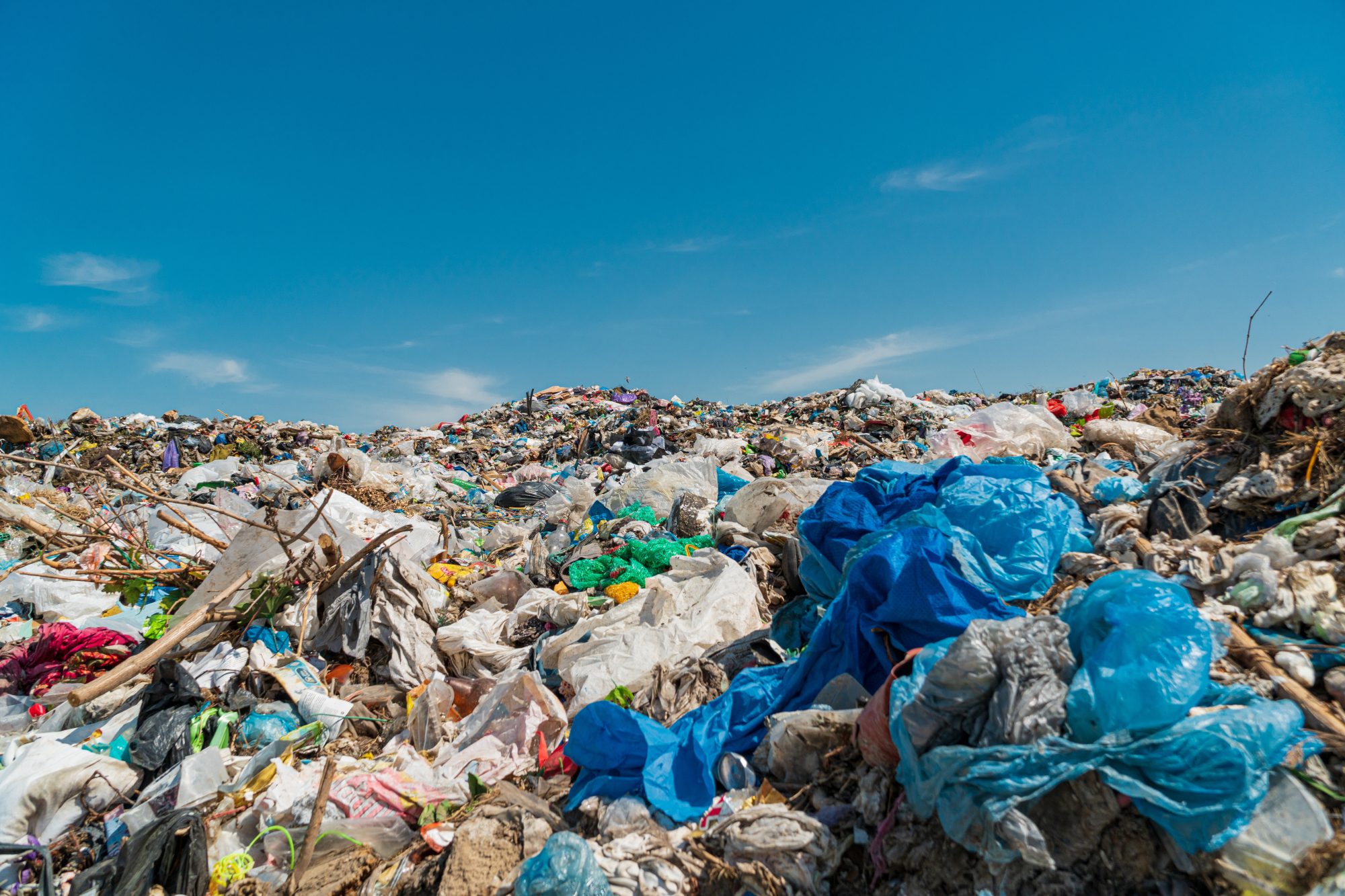
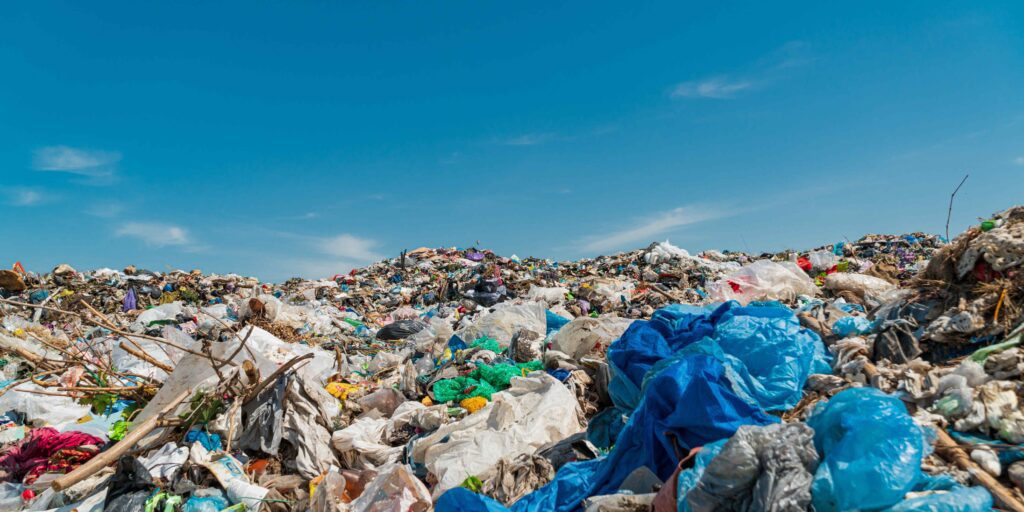
In Ontario right now, more than a quarter of the nearly 17 million tonnes of stuff we throw away every year crosses the border to landfills and incinerators in the US. More plastic-laced garbage, especially packaging, clothing and electronics, is shipped for dumping or burning in other countries, where it pollutes the air, water and soil in a practice known as waste colonialism.
The waste management industry is using the threat of a closed border to push ahead with more landfills and bigger incinerators in Ontario and the provincial government is helping them despite local opposition. And Ontario is not alone. A private company is looking to open a waste incinerator near Edmonton to burn garbage collected in that city. Charlottetown is expanding its waste incinerator
This is the wrong approach. There are several things that we can do right now, even in the midst of a trade war, to stem the flow of garbage and prevent the need to expand waste dumps and incinerators:
- Ontario must join almost every other province to implement a comprehensive deposit-return program for beverage containers, building on – and improving – the existing program for alcohol containers. Deposit-return programs are the best way to prevent beverage containers from becoming garbage or litter, enabling recycling or even refill.
- The federal government must stop funding false solutions like “energy from waste” (a.k.a. waste burning) and introduce a fund to support the expansion of local reuse and refill programs for packaging across the country. Environmental groups are asking for a $100 million fund in the upcoming federal budget.
- Governments of all levels must work together on measures to eliminate unnecessary single-use plastics – including expanding the federal bans and adopting provincial and municipal reuse programs and targets. We can better align with Europe on these measures.
- If you’re doing a personal pivot toward more local products, consider shopping at your local refillery store and farmer’s market with your own reusable containers.
These measures will help usher in a new economy based on durable local goods and packaging, decent and low-carbon work and less waste. Bring it on!