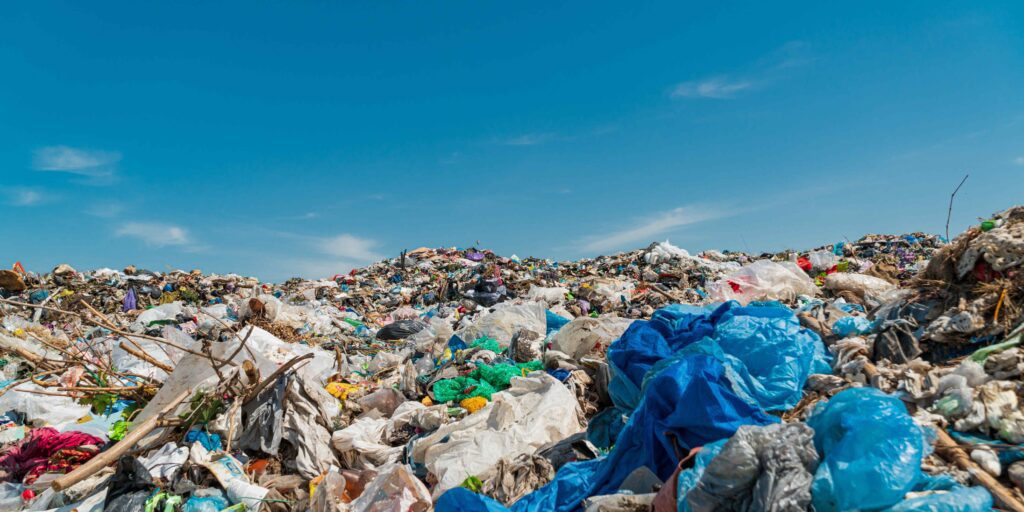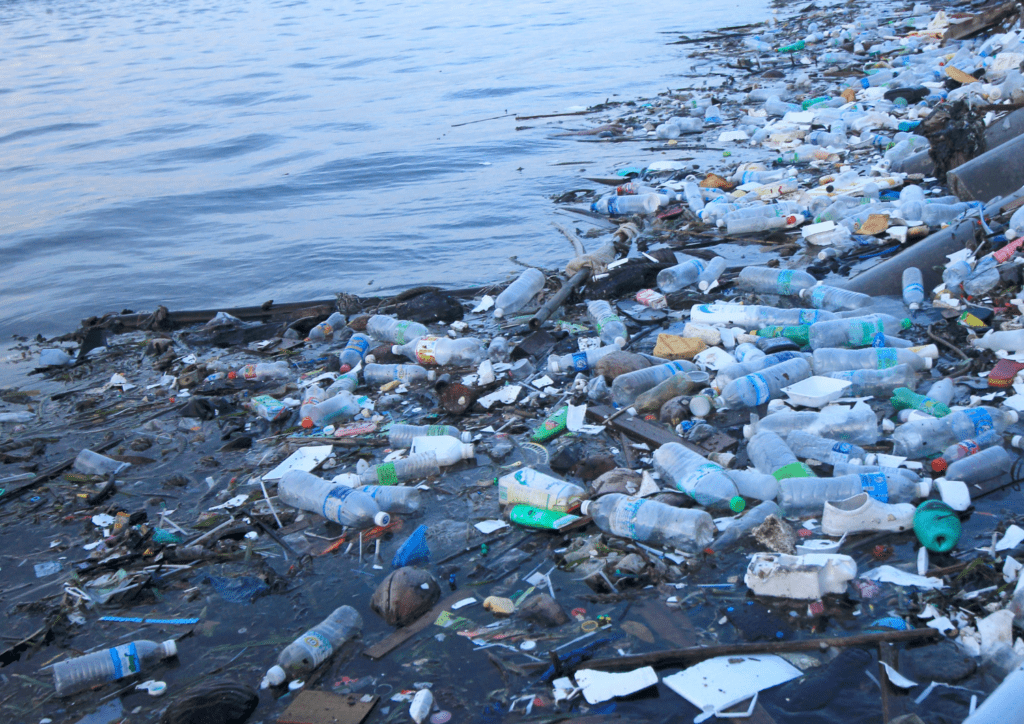

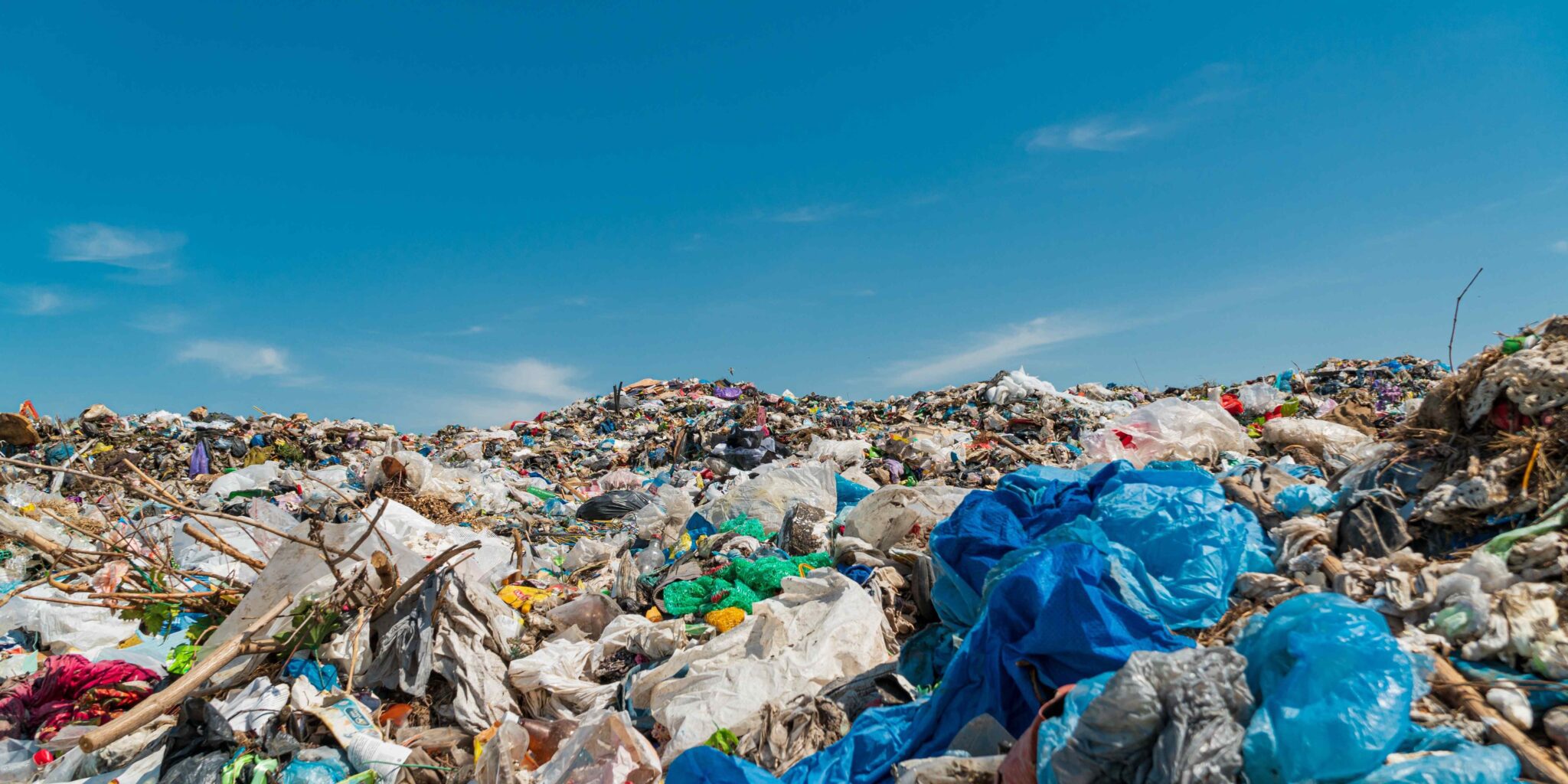

When I tell people I work to end plastic pollution, they tell me their concerns about all the plastic in their everyday lives – and how impossible it is to avoid it. Unnecessary plastic packaging and products are the most visible and tactile reminder of the plastic pollution crisis. The evidence is everywhere – not only in our overflowing recycling bins and landfills, but also in our rivers, lakes and oceans, on beaches and in parks, and even in our bodies.
This Plastic Free July, we’re looking back on Canada’s first signature policy: the 2022 ban on harmful single-use plastics that are commonly found littered in the environment.
As I testified recently at Parliament’s Environment Committee in Ottawa, the bans were a first step toward getting rid of the worst of the worst – bird-strangling six-pack rings, turtle-stabbing straws and whale-starving plastic bags. They also launched a national conversation about how much plastic we use and throw away in this country and around the world: way too much.
That means the bans have been successful for what they are today, and what they can lead to in the future.

It’s worth remembering that the flimsy plastic film checkout bags given out like candy – to the tune of 15 billion bags in 2019 – disappeared almost overnight when the bans came into effect in 2022. Like magic, stir sticks turned back into wood – and even reusable metal spoons. Those four straws tossed into the bottom of a takeout order or onto the floor of the local bar without being used? Mostly gone too.
The proof the bans are effective in protecting the environment is found in rivers and on shorelines across Canada. The groups and individuals who conduct litter and coastline cleanups can attest: bans work.
Ocean Wise reported that the number of single-use plastic bags, utensils and straws collected during clean-up events dropped dramatically after 2022, even as non-banned plastics – especially single-use cups and lids – nearly doubled since 2017.
When Surfrider Canada launched cleanups along the west coast of Vancouver Island starting in 2016, they found significant amounts of single-use plastics. The group helped usher in the first municipal bans on single-use plastic straws and polystyrene containers in Canada – in Tofino and Ucluelet – and one of the first local bans on single-use plastic checkout bags. These items have largely disappeared.
The Great Lakes, where concentrations of microplastics are higher than in ocean garbage patches, are not immune to single-use plastic pollution that breaks down during use or after disposal.
Don’t Mess with the Don, a group devoted to Canada’s most urban river – Toronto’s Don River, which empties into Lake Ontario – recently told us they’ve all but stopped seeing plastic bags since the 2022 federal ban.
Gran Cleans the Beach still finds way too much plastic when she picks up trash from the shores of Lake Huron, but the banned items have stayed away. That’s led her to identify other items that should also be banned, like helium balloons.
Other groups have also shifted their efforts to get other items banned. Surfrider recently celebrated a local ban on small-format water bottles in Tofino and is aiming for a local ban on single-use coffee cups and lids in the near future. Don’t Mess with the Don has also turned its attention to single-use plastic beverage containers and coffee cups and lids.
In January of this year, a win at the Federal Court of Appeal confirmed the federal government’s role in stopping plastic pollution. Despite challenges from the plastics industry, it’s time for Canada to move full-steam ahead with additional measures to stop plastic pollution and transition our economy away from harmful and unnecessary single-use plastics:
- Expand the bans, starting with takeout cups and lids, nuisance packaging, and tobacco-related products;
- Support and require accessible and affordable reuse and refill systems to replace single-use plastic packaging and waste with containers that can be used many times;
- Get rid of dangerous chemicals used in plastics and plastic products, including softening and hardening agents, flame retardants and PFAS “forever chemicals”
- End public subsidies to plastics, petrochemical and oil and gas production – which allows plastics to compete unfairly with safer and more durable materials, including glass and metal.
Tell your MP you want to see Canada step up action to end plastic pollution.