

This Plastic Free July, we’re talking about the importance of Canada’s single-use plastic bans – and why it’s crucial to go even further to protect us and the environment from plastic pollution.
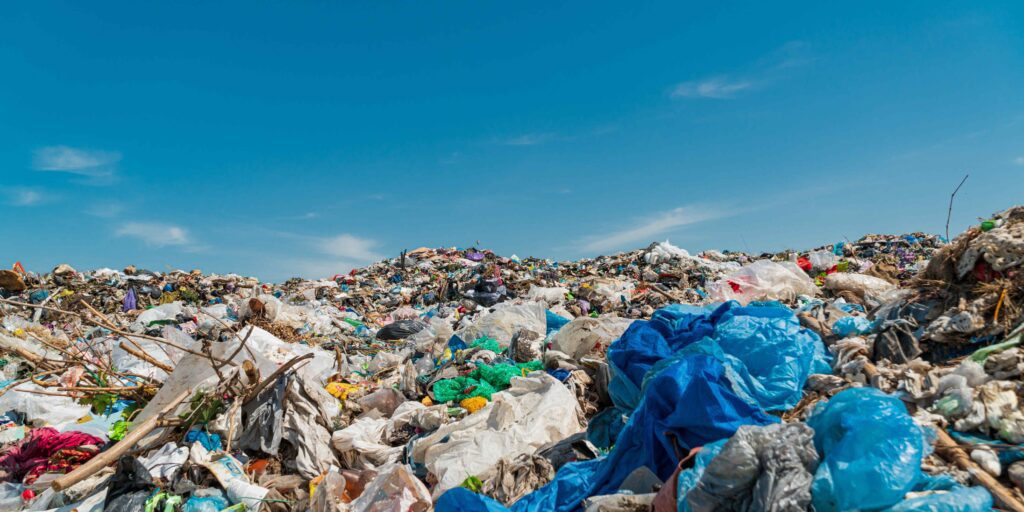
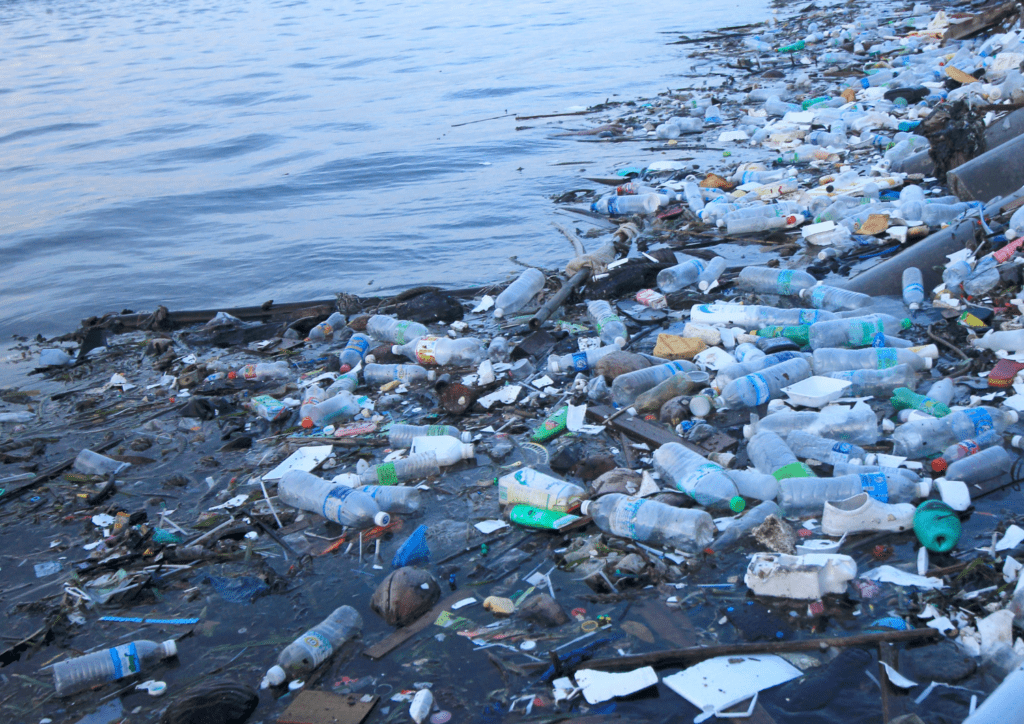
As we mentioned earlier this month, the bans have worked on two levels. The first: getting totally trashy – and even dangerous – items out of use and out of the environment. Checkout bags, cutlery and six-pack rings have all but disappeared from coastline litter cleanups, suggesting they no longer pose the same threat to wildlife and their habitat. We can give ourselves a pat on the back for that!
Second, the bans have created a lot of conversation about the overuse of plastic. They also helped prompt other questions about plastic pollution, including a key one: what about all the plastic-related pollution that we can’t see?
Plastics are a chemical soup of toxic ingredients, including thousands of chemical additives needed to make the products function as intended. They release tiny fragments and fibres, meaning that the plastic products we wear, eat from and sit on every day shed toxic substances while we’re using them and after we throw them away.
This is why we can’t depend on recycling and waste management to fix the crisis, even if it was possible to collect all the plastic waste – often discarded after a very brief use – and make it into something new. But plastic is not easily collected or recycled and that means the only way of addressing the problem is to cut down on the amount we make and use, in Canada and around the world. And that means Canada has to go further to regulate plastic as a pollutant.

Scientific findings about the impacts of plastic pollution are mounting – and very disturbing. Many of these particles and substances are too small to see, which is all the more reason we can’t ignore them. Recent research from the University of Waterloo suggests that microplastics have been accumulating in the environment since the 1950s—since the mass-marketing of disposable plastic products—and the smallest microplastics have been undercounted in the environment.
Plastics, including microplastics and chemical additives, pose a danger to the environment and to human health, costing our economies billions of dollars in healthcare, clean up, and loss of ecosystems and food sources.
While many people are concerned about the overwhelming amount of plastic in their lives, some people are more affected by pollution than others. Those most affected live close to production and disposal sites and facilities – most often Indigenous communities, low-income people and recent immigrants. But Inuit in the far north face some of the highest concentrations of microplastics and plastic-related toxic chemicals in ocean water and food sources in the world, despite the fact that no plastic is made there and, given the small population, very little is used.
Microplastics move easily through the environment, notably in air and water. There are ways to try to contain some of these marauding microplastics – say, in stormwater retention ponds or sewage sludge – but that’s a limited strategy to deal with an everywhere pollutant that pretty much lasts forever. They end up in animals and plants, human bodies, and in every place on the planet that researchers have looked for them.
The threats that plastics pose to the future of life on the planet have prompted the majority of countries around the world – including Canada – to come out in favour of global measures to control the production and use of plastics. Sadly, progress on a Global Plastics Treaty that would do just that has been stalled — with some of the world’s biggest fossil fuel producing countries that see growth in unnecessary plastics as an economic benefit refusing to engage in good faith.
The good news in Canada is that the federal court of appeal has confirmed that the federal government was right to regulate plastics to end pollution. That means the federal government can – and must – act to stop the over-production and over-use of plastics in Canada while continuing to co-operate with the rest of the world to end the pollution crisis.
Tell your MP that you want the federal government to step up action to end plastic pollution.