Amil Shapka, co-founder of No CO2 Pipelines Alberta and Julia Levin, Associate Director, National Climate at Environmental Defence appeared before the House of Commons Standing Committee on Environment and Sustainable Development (ENVI) in Ottawa to raise serious concerns about carbon capture and storage (CCS), the proposed Pathways project, and the growing public handouts to an industry that continues to expand fossil fuel production. The below blog is a summary of their statements.
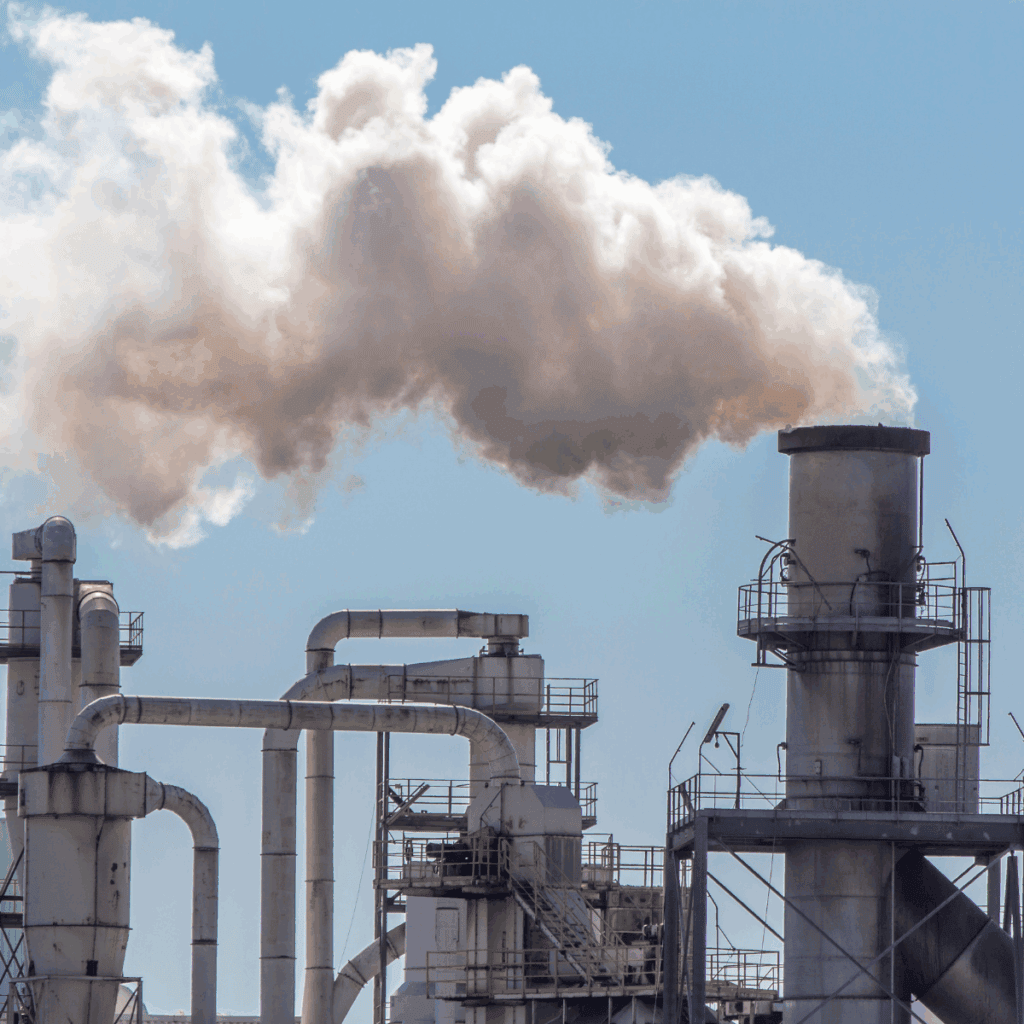
Carbon capture and storage (CCS) is being touted by the government and the oil and gas industry alike as a climate solution but in reality it’s an expensive, energy intensive technology that has a limited ability to make meaningful emissions reductions at scale.
In Canada there are currently less than 10 commercial CCS projects currently operating, capturing a fraction of our total emissions. Meanwhile, renewable energy costs have plummeted – with technologies such as solar and becoming increasingly available for large scale development all while delivering real climate benefits.
So why is Canada spending billions of taxpayer dollars on subsidizing expensive, unproven technology that puts our health at risk and prolongs our dependence on fossil fuels?
Enter Pathways CCS
The proposed project, Pathways CCS, is being developed by an alliance of five major oil sands companies – that would see the development of a 650 km CO2 pipeline, transferring carbon from production facilities to underground storage in Cold Lake, which will have an expected footprint three times the size of PEI.
The project could cost as much as $30 billion, $20 billion of which taxpayers are responsible for. As the estimated costs have skyrocketed – the amount that the project would reduce emissions by has declined.
Originally the project was estimated to reduce emissions by 10-12 million tonnes annually by 2030, Pathway’s new target is now only six million tonnes by 2035. This would only account for six per cent of the annual emissions from the oil sands.
Meanwhile, Pathways is being used to justify the expansion of oil sands production – including the construction of the Pacific Link pipeline – which would create an additional 30 million tonnes of emissions annually.
This isn’t a climate solution – it’s an excuse to expand oil and gas.
“Despite decades of research and development, CCS remains expensive, energy intensive, with limited potential to deliver significant, cost-effective emissions reductions at scale. CCS over-promises and under-delivers. The vast majority of planned CCS projects never make it off the ground. Those that do struggle to meet their promised targets.” – Julia Levin, Associate Director, National Climate at Environmental Defence
Community Health is at Risk – Residents are Speaking Out
The project risks contaminating groundwater, with pollutants such as arsenic and lead, which would severely impact drinking water, and thus have serious implications for farmers, ranchers and Indigenous Peoples alike. Further, the process of storing carbon by injecting large volumes of CO2 underground at high pressure has been linked to causing earthquakes. Earlier this year in April and May, northeast of Edmonton where a CCS facility is – a number of earthquakes that measure over a magnitude of 4.0 occurred.
Incidents like this – should trigger serious questions about the risks poised by CCS and the risks if Pathways is to move forward.
Currently communities at forefront are being asked to carry the risk – this is not right. But locals have been organizing.
Amil Shapka is the co-founder of No CO2 Pipelines Alberta, and rural landowner who lives on the frontlines of where the Pathways pipeline project would be built. Over the past year Amil has built a growing coalition of farmers, ranchers, Indigenous Peoples and other concerned Albertans who are seriously concerned about the health, environment and safety risks associated with the Pathways project.
“Those of us directly affected see Pathways serving corporate interests, not the public interest. If this is a nation building project, where is the shared prosperity? This will not create permanent jobs that you can build lives or communities on. It is a temporary work camp with an outside crew, who will leave behind nothing but empty bottles and take-out pizza boxes. Us “locals” assume all of the risk, inherit all of the problems, and will receive little or no benefit.” – Amil Shapka
Representatives from No CO2 Pipelines Alberta have been travelling to communities that will be impacted by the Pathways project – to educate them on what the project is, and the risks it poses. In doing so they’ve built a growing community of concerned Albertans who do not want to see the project progress. They’re concerned about the questions that the government has not answered some fundamental questions: Who will monitor the stored carbon? Who will pay and what happens if CO2 contaminates water? Who will be responsible for the liabilities when the companies involved no longer exist?
Alberta is already dealing with approximately 170,000 orphan and inactive wells, enormous oil sands tailings ponds and other environmental liabilities left behind by the oil and gas industry. There is little reason to believe the public should have confidence that Pathways will be any different.
A project of this magnitude should never be fast-tracked at the expense of public safety, Indigenous rights and environmental protection. Albertans should not have to sacrifice the safety of their lives, land, water and communities to protect the profits of the oil and gas industry.
Watch Amil’s full testimony before ENVI: