


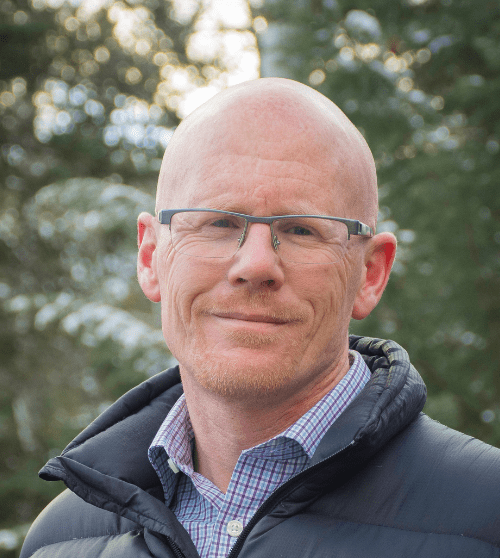
This post was originally an opinion piece from the Edmonton Journal
When rural leaders gather at the Rural Municipalities of Alberta (RMA) convention in Edmonton this week, they will talk about rural health care, critical minerals, and agritourism. They will also talk about a revenue source that provincial rules have made harder to access.
Wind and solar power have become significant contributors to rural tax bases. According to the Business Renewable Centre, municipalities in Alberta received $70 million in municipal tax revenue from solar and wind projects in 2025. This represents a significant leap from previous years.
In the County of Forty Mile, renewable energy taxes represent 35 per cent of its operating budget. In Paint Earth, Vulcan, Pincher Creek and Willow Creek, renewable energy taxes represent 30 per cent of revenues. Altogether, 26 of Alberta’s rural municipalities benefit from revenue generated by solar and wind energy. Those taxes pay for recreational facilities, roads, and fire halls.
Despite the potential for significant growth in the renewable energy sector, Alberta has erected roadblocks, making it difficult for municipalities to generate additional revenue. In 2024, the province adopted new restrictions that tilted the playing field away from renewable energy. New wind and solar projects are barred from Class 1 and 2 agricultural land unless the proponent can show crops or livestock can co-exist with them. Decades of successful agrovoltaic farming and ranching across North America — including Alberta — should have done the trick, but alas.
Wind is also prohibited in a 70,000-square-kilometre buffer zone around the Rockies that reaches the western half of Calgary. The moratorium and new regulations have scuppered more than 100 projects and cost the province more than $30 billion in investment.
For municipalities, some of the changes have been beneficial. Municipalities now have standing before the Alberta Utilities Commission and can recover costs. The Rural Municipalities of Alberta welcomed that, and it was right to. But a seat at the table is not the same as access to the opportunity. For counties inside the restricted zones, the effect is lost economic opportunity for landowners and rural municipalities. Meanwhile, if you wish to drill for oil or gas on those same lands, there are very few barriers.
Oil and gas companies owe rural municipalities more than $252 million in unpaid property taxes. To be fair, most companies do pay, and the RMA believes companies no longer operating owe about half of the total. But the RMA’s president has pointed out the imbalance: If a homeowner doesn’t pay taxes, a municipality can seize and auction the land, yet it lacks that power against delinquent oil and gas companies.
Meanwhile, wind and solar operators pay millions in taxes, and now the province says they must post costly mandatory reclamation security for their projects, a financial burden the multibillion-dollar petroleum industry avoids. This is the same industry that has abandoned 170,000 wells, and added another 4,200 to that tally last year.
This is not an argument against oil and gas, which built rural Alberta and still anchors it. It is an argument for one standard. A level playing field would mean three things:
Collect what is owed: The RMA has long argued that companies that don’t pay their taxes should not be allowed to operate in the province. Every industry — including renewable or conventional energy — should meet that test.
Create a level playing field: Apply the same rules to all. If a wind turbine is an eyesore, surely an open-pit mine, or a field of oil derricks is, too.
Let local councils decide: The MD of Pincher Creek will reject new wind projects and turn down tax dollars to keep new turbines out of its sight lines. That’s their right. Others want to grow their renewable tax base; that should also be within their rights as municipalities.
Albertans, especially those of us who live in rural areas, don’t ask to be favoured over anybody else. They ask for fairness and transparency. Isn’t it time we had equal rules governing how Alberta generates energy and what we tax so we can pay our bills? It’s hard to imagine anyone would object to a level playing field.


