
Statement by Emily Hunter, Senior Program Manager, Ontario Climate, Environmental Defence
Toronto | Treaty Lands and Territory of the Mississaugas of the Credit First Nation, and the traditional territory of the Anishinaabeg, the Haudenosaunee, and the Wendat – We welcome today’s announcement marking the completion of the Napanee Battery Energy Storage System (BESS). Battery storage is exactly the kind of clean, flexible electricity solution Ontario needs to help meet demand, strengthen reliability and reduce dependence on fossil gas. Yet, Ontario is celebrating battery storage on one hand while continuing to keep the door open for polluting new gas plants.
The Napanee BESS offers 250 MW capacity that essentially acts like a clean reliability cushion for the grid. BESS can store electricity when demand is lower and deliver it back during the busiest hours — enough to help cover the power needs of roughly a quarter-million homes for a four-hour peak period. This project shows that battery storage is no longer a future solution; it is being built now, at scale.
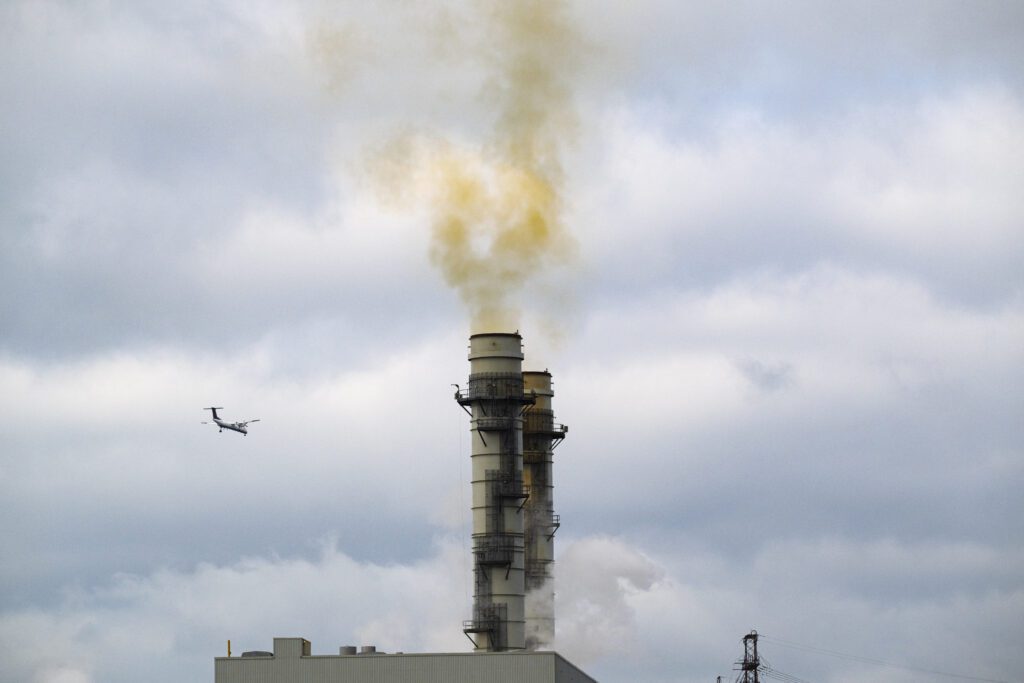
But today’s announcement also highlights a major contradiction in Ontario’s electricity planning. Atura Power, the operator of the Napanee BESS, is also behind the proposed Riverside Generating Station, an up to 500 MW gas-fired peaker plant in Lambton County. If built, that gas plant would have twice the nameplate capacity of today’s battery storage project — and could emit roughly 250 to 300 tonnes of CO₂ per hour at full output, overwhelming the progress Ontario is making with clean storage.
Last week’s federal electricity strategy makes this contradiction even more clear. By reopening the Clean Electricity Regulations and creating more room for gas, the federal government risks giving provinces like Ontario political cover to approve new fossil fuel infrastructure. Today’s announcement shows why that would be the wrong direction. Clean, flexible storage is already being built at scale around the world. Ontario should prioritize battery storage, renewables and other non-emitting solutions — not consider approving a new wave of fossil gas plants.
Background
- Atura Power is also a partner in the proposed Riverside Generating Station, an up to 500 MW natural gas-fired generating station in St. Clair Township in Lambton County.
- Ontario’s electricity system has become more reliant on gas in recent years, increasing emissions from the grid.
- Ontario’s clean electricity has declined from roughly 96 per cent non-emitting in 2017 to 81 per cent in 2025 — the worst emissions performance since coal was phased out — as gas generation grew from 4 per cent to 19 per cent of the electricity mix.
- Battery storage and other non-emitting solutions can help meet peak demand, improve reliability and reduce reliance on gas-fired generation.
- Recent winter conditions using IESO data showed serious vulnerabilities in gas-fired generation, including up to 2,400 MW of gas-fired generation becoming unavailable during Winter Storm Fern, while battery storage helped provide energy and operating reserves.
ABOUT ENVIRONMENTAL DEFENCE (environmentaldefence.ca): Environmental Defence is a leading Canadian environmental advocacy organization that works with government, industry and individuals to defend clean water, a safe climate and healthy communities.
– 30 –
For more information or to request an interview, please contact:
Tamara Latinovic, Environmental Defence, media@environmentaldefence.ca