
Ottawa | Traditional, unceded territory of the Algonquin Anishinaabeg People – Aly Hyder Ali, Senior Program Manager, Oil and Gas at Environmental Defence, made the following statement in response to today’s Implementation Agreement with Alberta:
“Prime Minister Carney has completed his dismantling of Canada’s climate framework for oil and gas CEOs by gutting one of Canada’s last major climate tools. This agreement is capitulation dressed up as a compromise. Today’s deal confirms that the MOU was never intended to be a grand bargain. Instead, PM Carney has given free rein to polluters, made more room for fossil fuel expansion, and has put taxpayer money behind economically and environmentally risky projects. While the rest of the world is racing towards clean energy, PM Carney is intent on keeping Canada hooked on an outdated energy system.”
EXPERT ANALYSIS:
Canada – Alberta Memorandum Of Understanding
- The MOU was pitched to Canadians as a grand bargain, meant to achieve stronger carbon pricing. In exchange for Alberta’s support of stronger carbon pricing, PM Carney scrapped the planned cap on emissions from the oil and gas industry, weakened clean electricity rules, weakened greenwashing rules, extended further subsidies to oil production, and threatened to suspend the Oil Tanker Moratorium Act.
- In addition, PM Carney has proposed measures that would roll back decades of environmental protections in order to bulldoze through projects like the pipeline.
Carbon Pricing
- Today’s agreement significantly weakens industrial carbon pricing across the country. Rather than reaching $170 per tonne by 2030, which is the current schedule, today’s agreement only reaches $115 in 2030. In addition, the effective market price (i.e. what credits trade at) will only be $60 in 2030, and $110 by 2040.
- The agreement confirms that PM Carney is not just gutting Alberta’s carbon pricing framework, but the national benchmark as well.
- Governments are putting up to $1.2 billion of taxpayer dollars at risk to further subsidize big polluters through carbon contracts for difference.
Pipeline
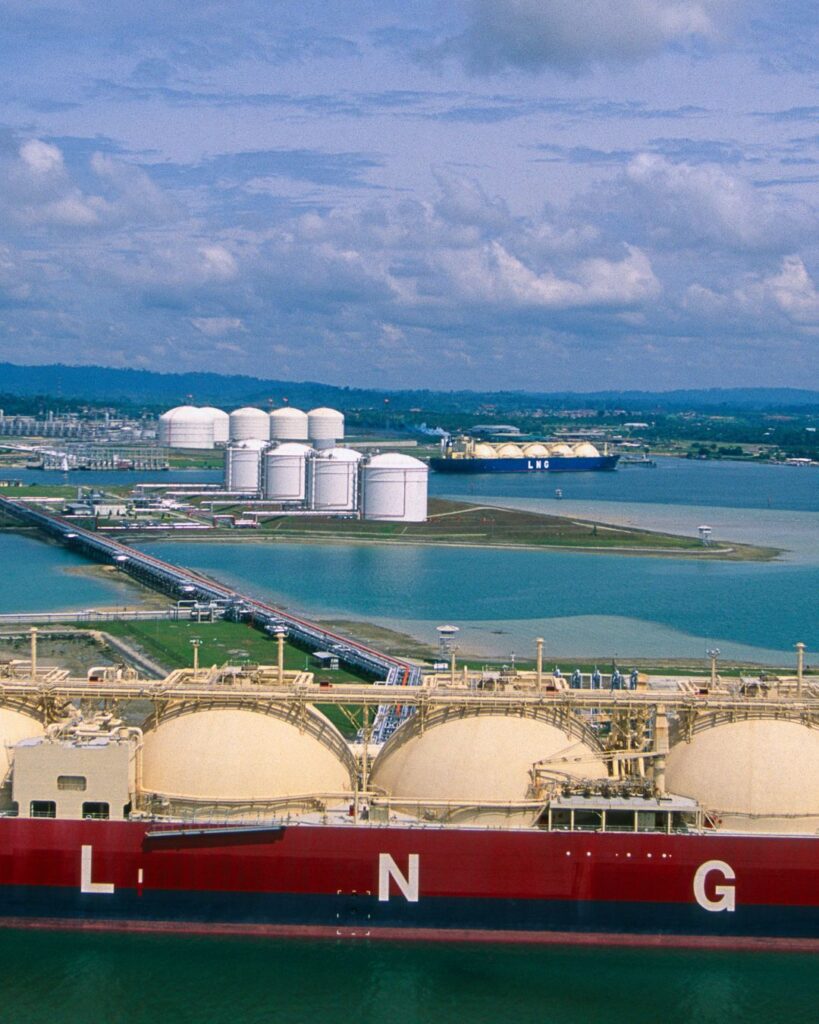
- A new pipeline delivers more pollution, more tar sands toxic tailings, and more devastating climate disasters. The oil and gas industry is already Canada’s largest source of climate pollution, and Canada cannot meet its climate goals while expanding production to fill this proposed pipeline.
- If a pipeline moves forward, it will be built for political reasons – not economic ones. Global oil demand is on track to peak by the end of this decade. No proponent would build this without government subsidies. For Canada to build a new oil pipeline in a shrinking global market is not a long-term economic strategy; it is a high-cost, high-risk gamble that Canadians will pay for for decades. This will become a $50 billion gift to an industry on track to take home $90 billion in profits in 2026 alone.
Pathways Carbon Capture and Storage Project
- Even at full capacity, Pathways CCS would capture less than half of the emissions generated by a new oil pipeline. At best, the 10-12 MT captured by Pathways by 2030 does not offset a new one million barrel a day pipeline that would be responsible for roughly 29 MT (based on Canada Energy Regulator’s emissions/barrel intensity).
- The Pathways CCS project faces strong opposition from local farmers, rural residents and Indigenous Nations near the proposed pipeline sites, due to massive health and safety risks associated with carbon pipelines.
- After decades of experimentation and investment, CCS has stored less than 0.0004 per cent of Canada’s total emissions since 2000— a rounding error. CCS projects continue to underdeliver, and many serve to expand oil production. There is no evidence that Pathways will change that record.
ABOUT ENVIRONMENTAL DEFENCE (environmentaldefence.ca): Environmental Defence is a leading Canadian environmental advocacy organization that works with government, industry and individuals to defend clean water, a safe climate and healthy communities.
– 30 –
For more information or to request an interview, please contact:
Midhat Moini, Environmental Defence, media@environmentaldefence.ca