


In late December, Toronto City Council admitted a hard truth: the city is not on track to meet its climate goals. The city that was once a leading climate champion is now at risk of falling behind.
The reason isn’t necessarily a lack of ambition at City Hall. It’s that Ontario’s energy policies continue to prioritize fossil gas infrastructure and costly nuclear megaprojects over cleaner, faster alternatives — leaving cities to shoulder the consequences. With the federal government also showing signs of climate backpedalling, cities like Toronto are increasingly trying to do the right thing with their hands tied.
That tension came into sharp focus last fall with the release of the province’s energy growth plans for Toronto, called the Integrated Regional Resource Plan (IRRP). While highly technical in appearance, the plan sets the direction for how Toronto’s growing electricity needs will be met for decades and it largely reinforces the province’s preference for centralized, fossil gas and-nuclear-heavy solutions rather than empowering cities to build local clean energy.
That’s why City Council’s vote last December mattered. In a decisive 23–1 decision, Council directed city staff to develop a plan that goes beyond the province’s gas-and nuclear-centric approach. The motion (item 15), brought forward by Councillor Dianne Saxe, asks staff to explore how Toronto can increase local renewable energy and battery storage and shift electricity use away from peak demand — all with the goal of avoiding unnecessary fossil gas use at the Portlands Energy Centre. This is a meaningful step forward.
At the same time, the vote highlights the limits cities face in a provincially controlled energy system. While Council has reaffirmed its commitment to phasing out gas at the Portlands Energy Centre, the province still controls the planning rules that determine how often gas plants operate. Yet, last December’s motion creates an opportunity for the city to act within its own authority — by setting clear expectations for staff, identifying concrete alternatives to gas, and committing to follow through when the plan returns to Council.
What is the Integrated Regional Resource Plan (IRRP)?
The IRRP is the province’s long-term electricity plan for Toronto, developed by the Independent Electricity System Operator (IESO). It sets baseline assumptions that shape infrastructure investments, costs, and timelines. While often presented as purely technical, these assumptions have real world impacts — affecting climate pollution, public health, and energy affordability.
Despite Toronto’s net-zero commitments, the IRRP assumes continued reliance on fossil gas with no firm end date, alongside new large-scale transmission and nuclear investments. What it largely sidelines are the local solutions cities are increasingly relying on worldwide: rooftop solar, neighbourhood-scale storage, and demand-side strategies that reduce peak electricity use.
Council’s motion signals that Toronto wants a different approach — one that prioritizes local clean energy and smarter grid use. But recognizing the need for change is only the first step.
The Portlands Test
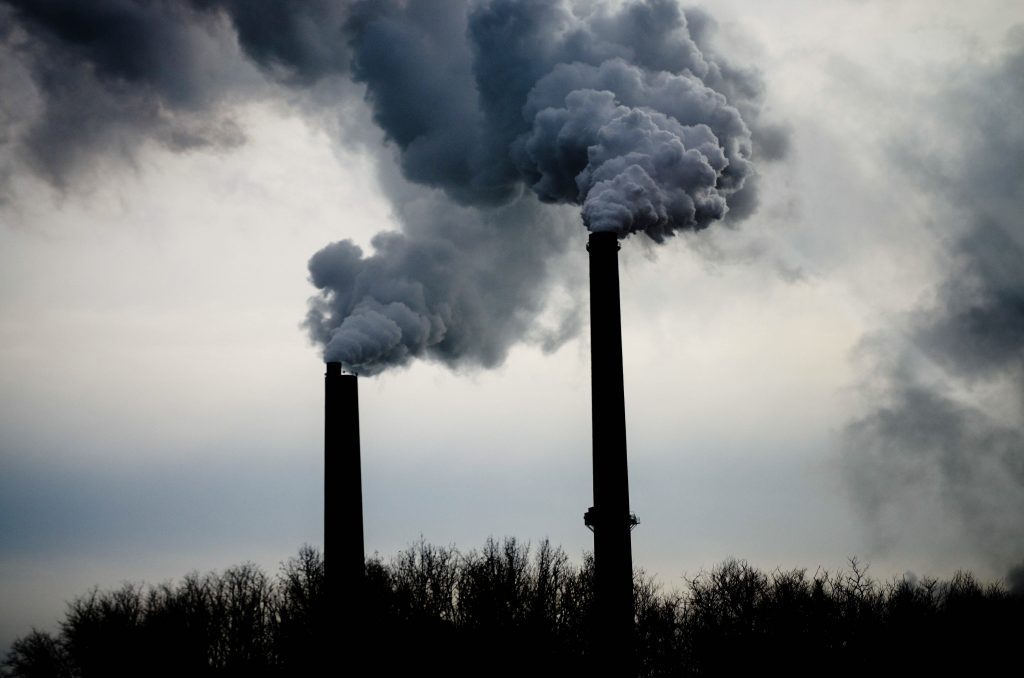
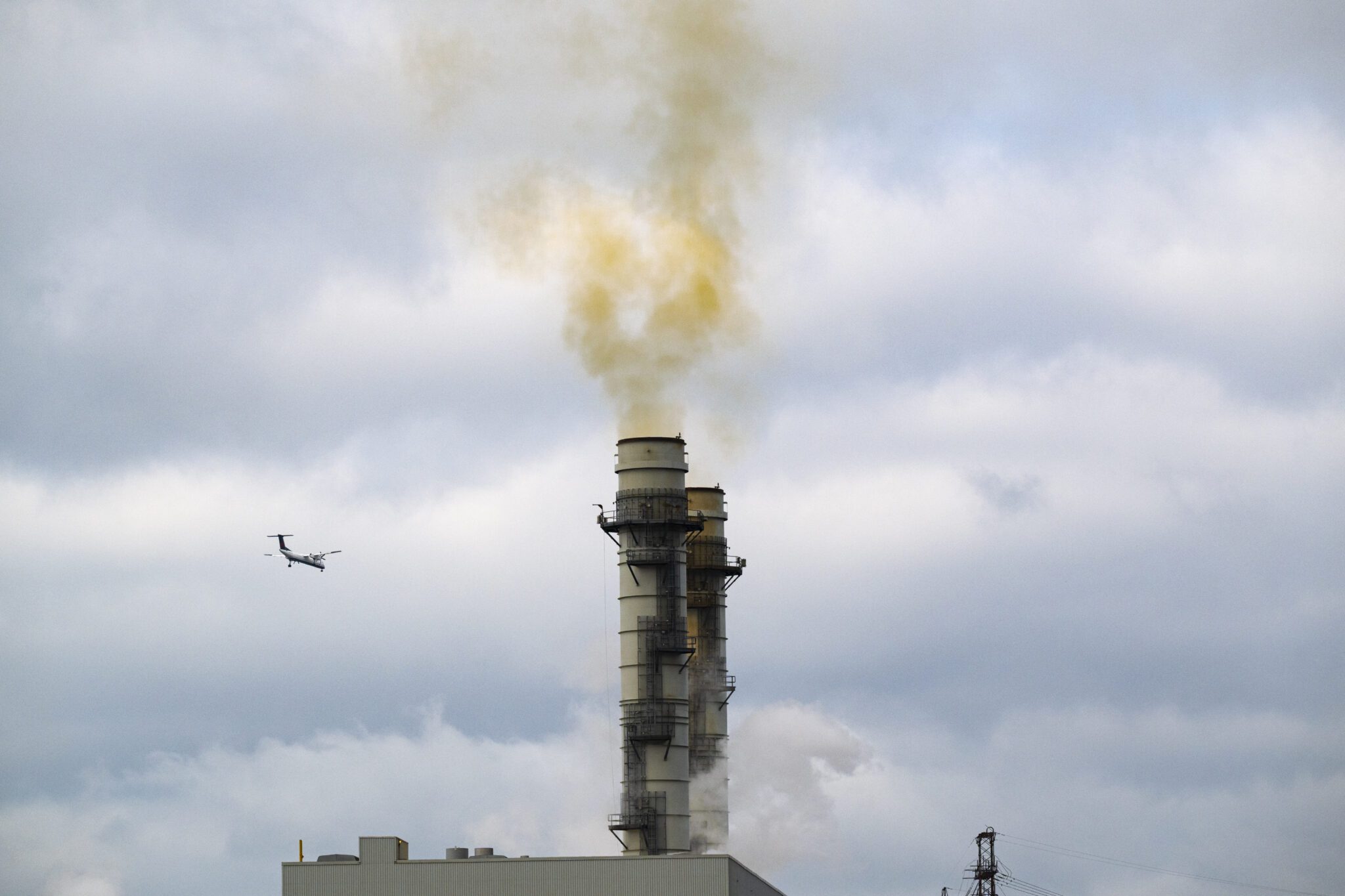
The Portlands Energy Centre, a gas plant on the eastern waterfront, is Toronto’s largest polluter and a major barrier to meeting the city’s climate targets. In 2024, City Council voted to phase it out — an important and necessary commitment.
The December motion builds on that direction by asking staff to report on concrete alternatives to gas combustion at the Portlands. This creates a critical moment: for the first time, Council has explicitly asked for a plan that shows how increased local renewables, storage, and demand-shifting could reduce reliance on the plant.
The test now is what comes next. A credible plan must include clear timelines, measurable reductions in gas use, and a pathway to full phase-out — alongside investments that improve affordability and reliability for residents. Without those elements, Toronto risks repeating a familiar pattern: strong intentions without follow-through.
Where Do We Go From Here?
Toronto City Council has shown it understands the problem. It recognizes that the province’s energy plan falls short — and that meeting the city’s climate goals will require more local clean electricity and less fossil gas.
Now comes the harder part. When staff return with their report, Council will need to commit to a plan of action with resources and hard deadlines, while holding itself accountable. A successful outcome would be one that clearly demonstrates how Toronto can reduce gas use year-over-year, scale up distributed renewables, and put the Portlands Energy Centre on a real path to retirement.
With provincial and federal leadership faltering on clean energy, Toronto’s role is more important than ever. The December vote opened the door. What matters now is whether Council walks through it in 2026 — and turns planning into action that matches the city’s climate promise.