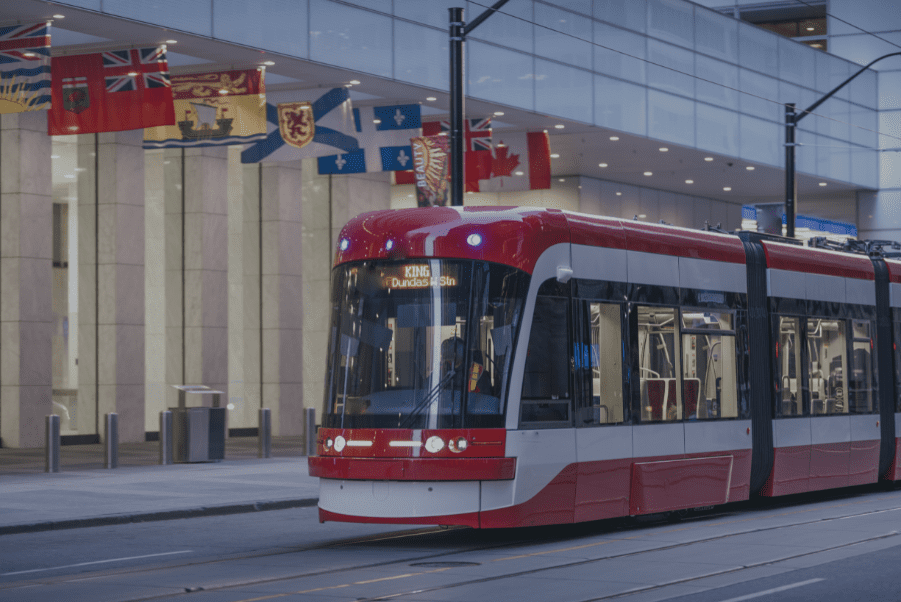


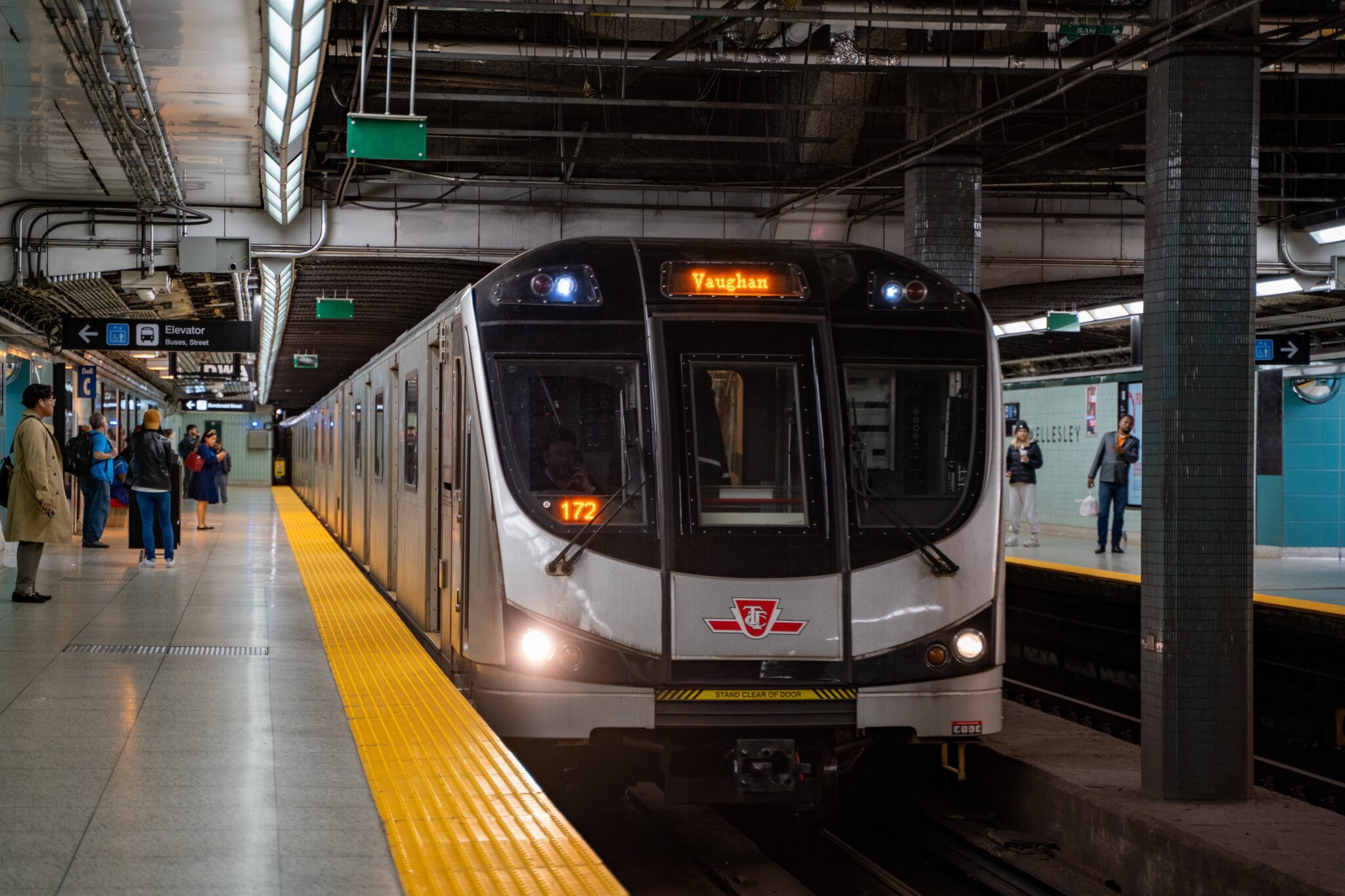

When it comes to how we move people from point A to point B, Canada is falling drastically behind. Canada is the only G7 country without a National Transportation Strategy: a long-term, coordinated plan that sets clear goals for public transit, passenger rail, and intercity, highway buses. The absence of such a strategy has left us with a fragmented system that is expensive, polluting, and increasingly unreliable for millions of Canadians.
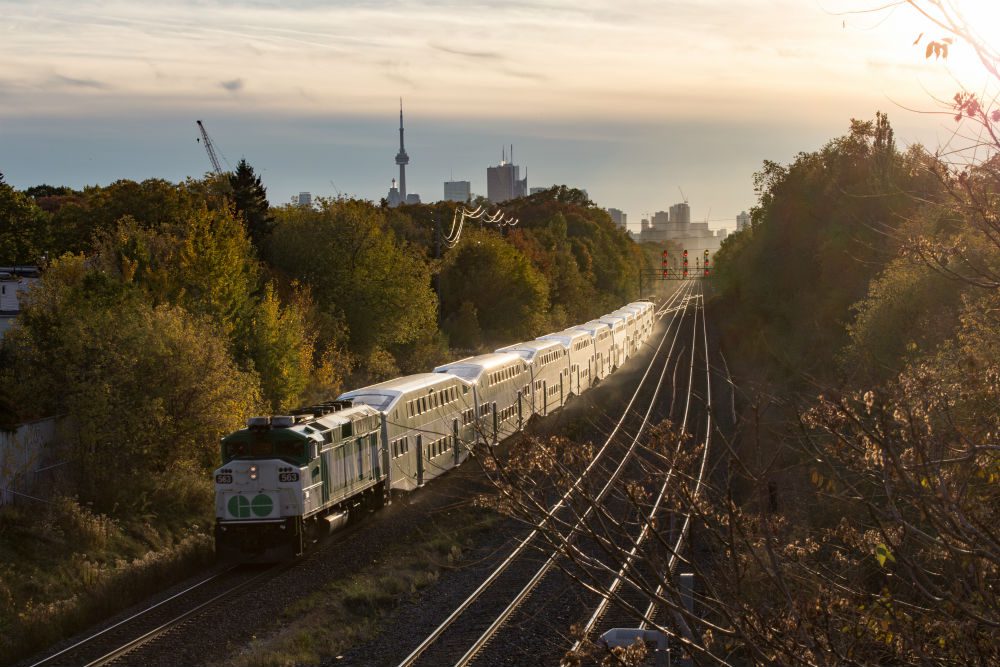
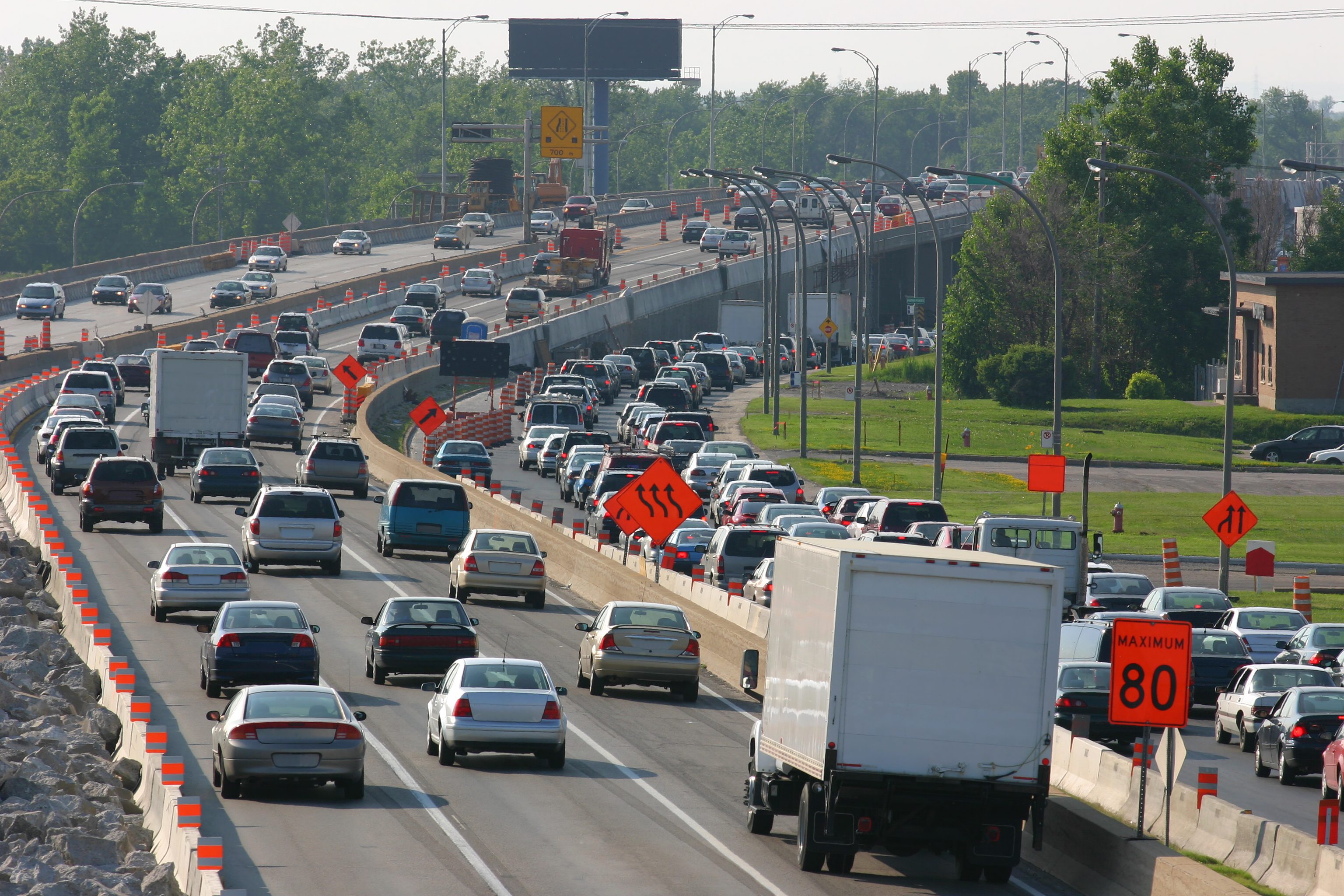
Transportation is the second largest source of greenhouse gas emissions in Canada, responsible for close to 25 per cent. At the same time, people across the country are dealing with overcrowded buses, cancelled routes, slow and infrequent trains, and entire regions with extremely limited ways to travel unless you own a car. In some communities, people cannot reliably reach work, school, hospitals, or even grocery stores. These are not isolated failures but symptoms of decades of neglect and a lack of national leadership.
Some say Canada is simply too big a country for there to be a truly national transit network. We are told that long distances make car dependency and short-haul flights unavoidable. However, geography isn’t the problem. Other large, industrialized countries have proven that size is not a barrier to fast and reliable transportation. Across Europe and Asia, national governments coordinate rail, transit, and bus networks so that people can travel efficiently between regions and countries. Air travel still exists, but it is not always the default option because a lot of trips can be better served by rail or bus.
In Canada, the contrast is stark. Travelling between our largest cities by train often takes as long as driving, or longer, with frequent delays caused by freight traffic that is prioritized over passenger rail, among other things. Meanwhile, the collapse of intercity bus service since the departure of Greyhound has left many rural, remote, and northern communities isolated, with few safe or affordable travel options.
Urban transit systems are also being pushed to the brink. Cities across the country are facing chronic operating funding shortfalls in the hundreds of millions, forcing agencies to cut service and raise fares. While capital federal funding for new transit infrastructure is important, it does not solve the day-to-day funding crisis that determines whether buses and trains actually show up on time or continue to run at all. Provinces have largely stepped back from their historic role in supporting transit operations, leaving municipalities to shoulder the burden through property taxes or exorbitant transit fares.
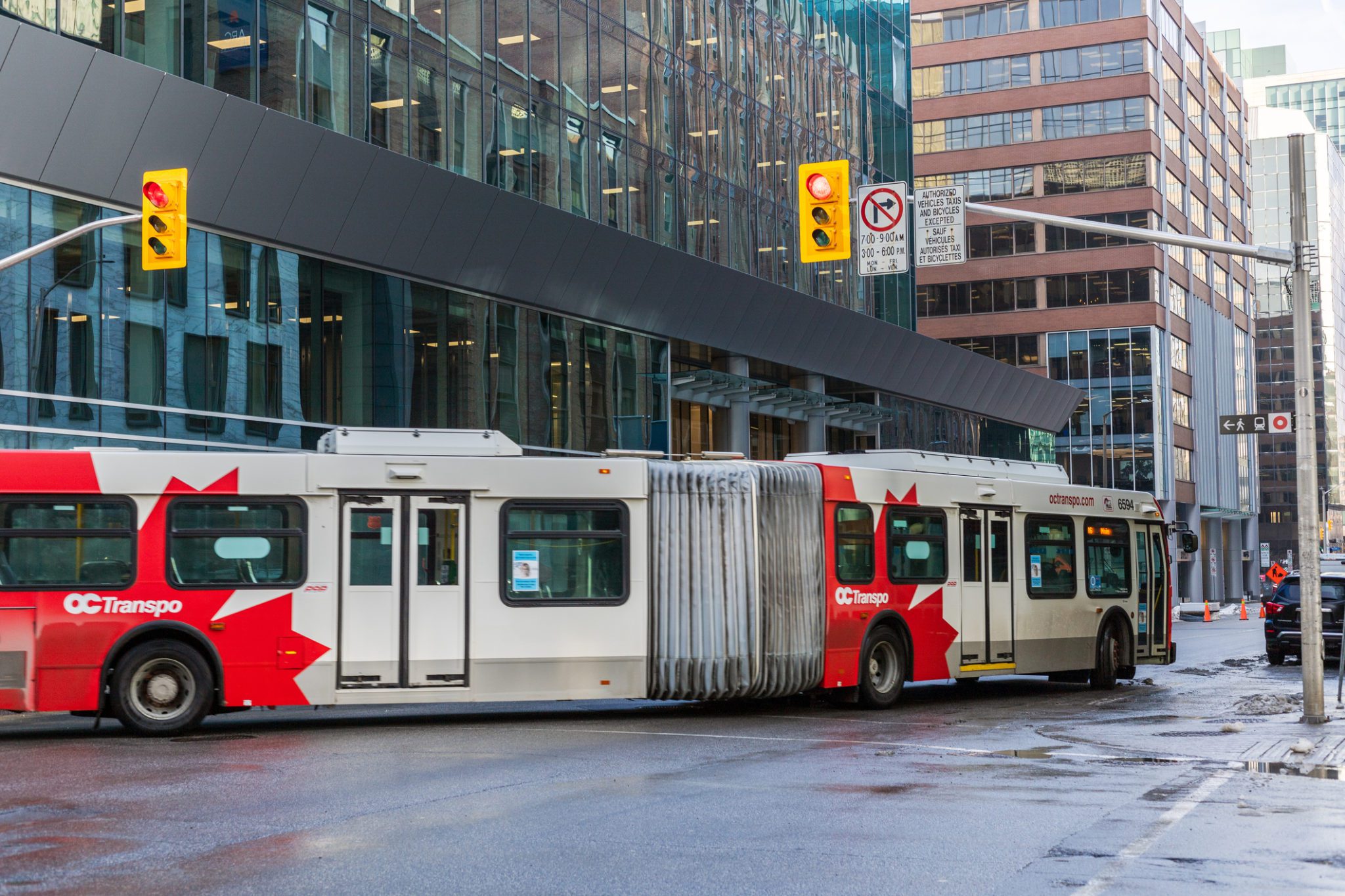
A National Transportation Strategy offers a way out of this downward cycle. At its core, such a strategy would set clear national goals for improving service, cutting emissions, and connecting communities, while respecting the different needs of urban, suburban, rural, and northern regions. It would provide stable, predictable funding for transit operations and expansion, rebuild intercity bus networks, and deliver reliable passenger rail. It would also support seamless connections between local transit, regional services, and future high-speed rail corridors, while ensuring that communities with limited transit access are not left behind.
The benefits go far beyond transportation itself. Shifting trips from cars and planes to transit and rail is one of the most effective ways to reduce greenhouse gas emissions while improving affordability. Better transportation networks also strengthen regional economies, expand access to jobs and services, and reduce the cost of living by giving people real alternatives to car ownership. Ending short-haul flights where fast, reliable rail is available is not about restricting mobility, it is about offering better options while significantly reducing pollution.
Transportation shapes how we experience our country. It determines who we can visit, where we can live, and whether our communities are connected or left behind. Canada has built national strategies for healthcare, infrastructure, and climate action. It is time to do the same for transportation. A National Transportation Strategy is long overdue. But now, in this moment of nation building, it’s time to get it on track.