


When we talk about addressing the climate crisis, one of the important solutions is the energy transition. But what’s it all about?
Greenhouse gas emissions from producing and burning fossil fuels are the largest source of climate pollution. Until we stop producing these emissions from burning coal, oil and gas, the climate crisis will unfortunately continue to escalate. Right now, we still rely on these polluting fuels for electricity, transportation, heating, and powering industries. But all that is already beginning to change!
A global energy transition is already underway
The energy transition is a major shift in how energy is produced, distributed and consumed – moving away from fossil fuels toward a world powered by clean energy.
Countries like the UK, China, and Norway have been leading the way on different aspects of the transition. But we need to speed it up to meet our climate goals. Governments must invest now and create policies to ensure everyone benefits from this transition.
We’ve gone through major energy transitions before – like the boom of coal use for the Industrial Revolution in the 18th century, or the use of electricity in our buildings and industries taking off during the early 20th century. Energy transitions change our infrastructure, and the 21st century version is all about renewable energy generation, high energy efficiency, and electrification.
What does this energy transition look like for most of us day to day?
A clean electricity grid, powered by renewables
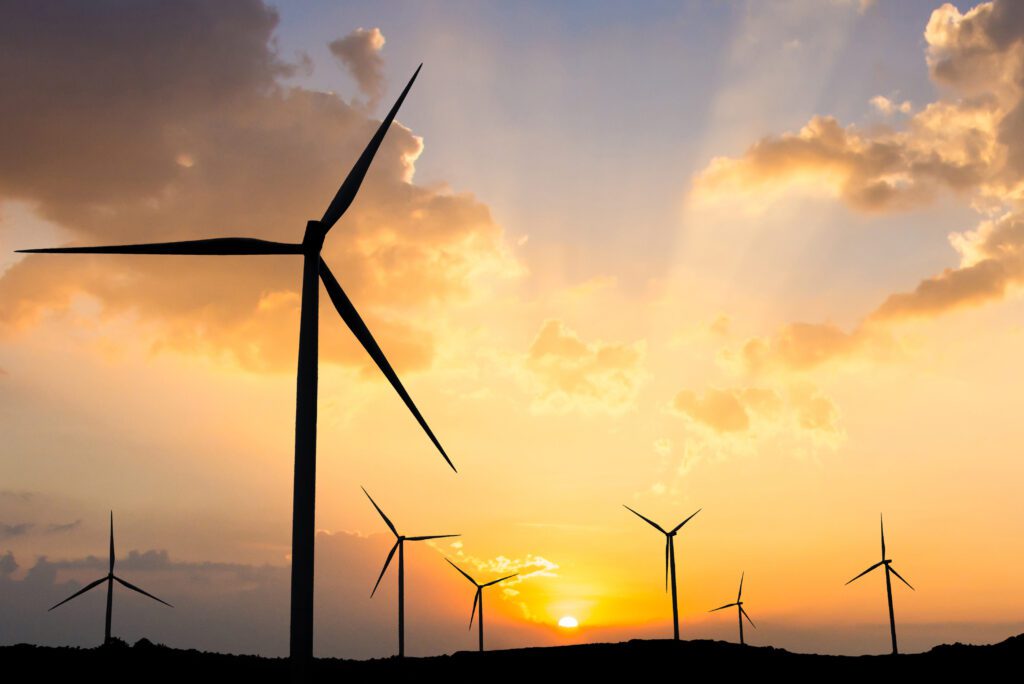
Sustainable, clean electricity is the foundation of the energy transition. Renewable energy from the sun, wind, water, and geothermal sites can generate power without depleting the source. Combined with energy storage technologies, we can create an energy mix on our electricity grid that creates zero emissions in energy production!
Canada is well-positioned to achieve this. Already, more than 80% of electricity in Canada comes from non-emitting sources. Building new wind and solar projects is the lowest cost way to generate electricity in Canada, and we’ve already built over 550 major solar and wind projects across the country. Decarbonizing the last 20% is well within reach if we improve transmission connections between provinces, modernize grid infrastructure, and deploy more renewables and storage where it’s needed most.
You may not notice this change in your day-to-day life, because we often don’t see where our electricity comes from. But here are a few ways it may be visible:
- Community-owned renewable energy generation. Many local communities, municipalities, and First Nations want to take climate action and benefit from producing their own electricity. Community-owned renewable energy projects can generate revenue, provide local jobs, and create a shared sense of pride for communities.
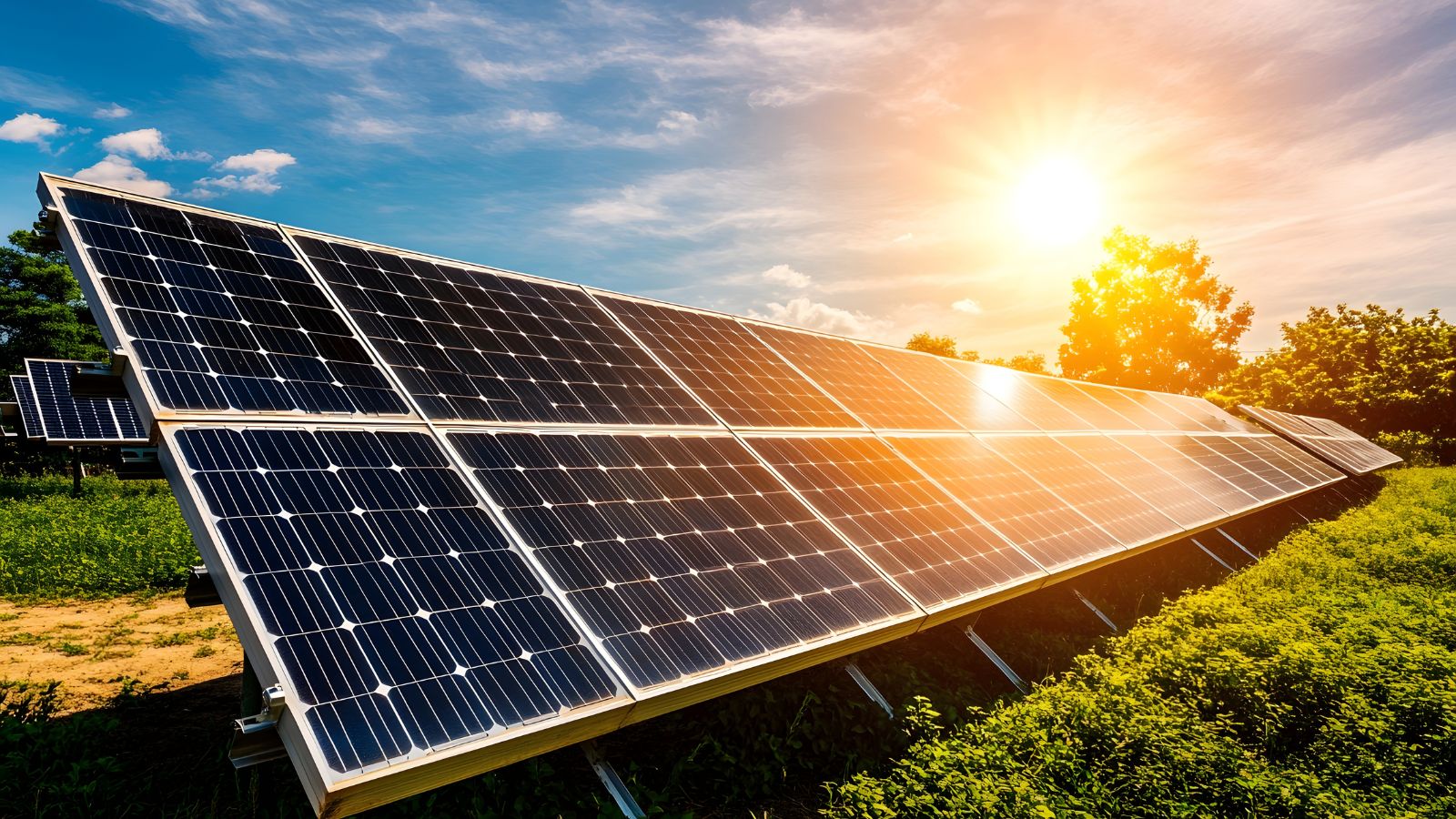
- Distributed solar. Solar panels can be installed on homes, businesses, and buildings wherever the sun shines! Small-scale solar projects can provide a direct source of power, but most often are connected into the local grid through your utility, where the cost savings or profits go to the project owner. Be on the lookout for solar panels in your neighbourhood, or consider getting solar yourself if possible!
- Smart grid technologies that allow you to participate in peak load management. More utilities now use smart grid tech to more efficiently manage energy demand, for example, through programs or apps that notify customers with opportunities for them to shift their energy consumption in anticipation of a peak demand event, often with rewards or savings for customers who participate.
Electrifying Everything
The energy transition also includes switching to electricity for things that currently use gas, petroleum, and diesel directly. In our homes that means more small-scale appliances are electric, like replacing gas stoves with electric or induction, home heating systems being upgraded from gas furnaces to heat pumps, or even a battery powered landscaping equipment instead of that noisy gas powered leaf-blower. It looks like drivers switching from gas powered vehicles to EVs and cities rolling out electric buses and public transit. It’s not just the climate that benefits from these changes, electrification also decreases noise and local air pollution.
At the scale of our economy, it also means electrifying industry, manufacturing and construction, and scaling up the implementation of the examples above by rolling them out across businesses.
Maximizing Energy Efficiency
Energy efficiency is about avoiding waste by improving how we use our electricity and resources. In the energy transition, energy efficiency offers some of the fastest and cheapest ways to reduce climate pollution, while also lowering energy bills and strengthening energy security. Energy efficiency allows us to decrease or manage energy demand, making it easier to meet those demands with clean, renewable energy sources.
In daily life, increasing energy efficiency might look like using appliances with high-efficiency ratings, improving the insulation and draft-proofing homes so they’re easier to heat or cool, and other building retrofits. It has the added benefit of reducing energy bills!
Using electricity to power things that currently combust fossil fuels to create motion is also usually a more efficient use of energy. For example, did you know that gas-powered cars waste 60–80% of their energy as heat? Compare that to electric vehicles, which convert 85–91% of their energy into actual motion. That’s a huge difference!
Decarbonizing our energy system with renewables and energy storage, electrification, and energy efficiency, together can drastically cut climate pollution. If we do the energy transition right, there are also opportunities to create thousands of good jobs, generate revenues locally, save on energy costs, make homes more comfortable, improve our health by reducing pollution from fossil fuels, and help communities thrive. The energy transition can help Canada become more resilient, boost domestic energy security, and grow the green economy we need to catch up with countries leading the charge on climate action. It’s not too late for Canada to combine our natural assets, skilled people, and support for ambitious climate action to make a real difference in the global fight against climate change. The global sustainable energy transition has already begun; it’s time for Canada to do its fair share.