The Real Costs of Ontario’s Nuclear Gamble
How Ontario's Nuclear Plan Could Cost Ratepayers $117 Billion More Than Renewable Energy


How Ontario's Nuclear Plan Could Cost Ratepayers $117 Billion More Than Renewable Energy

The province plans to rely on nuclear power for more than 70 per cent of its electricity by 2050 while building expensive new reactors and increasing gas-fired electricity generation in the near term.
A new analysis by Power Advisory LLC found there's a cheaper alternative. Ontario's planned nuclear pathway would require $221 billion in capital investment by 2050, compared to $104 billion for a renewable energy pathway built around wind, solar, battery storage and energy efficiency. That's a difference of $117 billion- costs that could ultimately be passed on to ratepayers.
For the average household, the nuclear pathway could mean paying up to $456 more every year in annual electricity generation costs. At a time when Ontario needs affordable electricity to power electric vehicles, heat pumps and a growing economy, choosing the lowest-cost path matters more than ever.
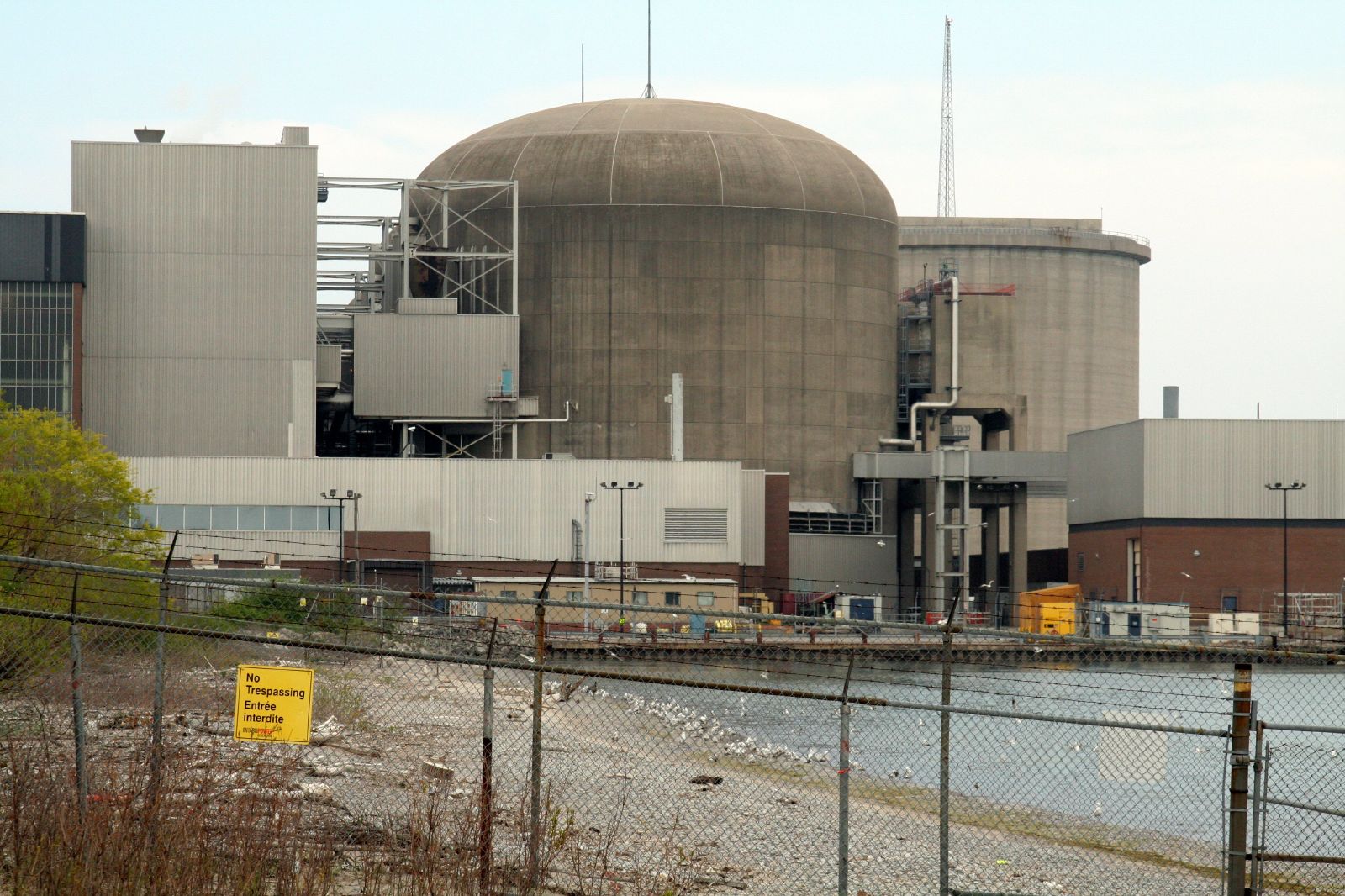
Additional capital costs associated with Ontario's nuclear-heavy electricity pathway compared to a renewable energy alternative.
Share of Ontario's electricity that the province plans to supply from nuclear power by 2050.
Additional annual electricity generation costs the average household could pay under Ontario's nuclear plan.
Price achieved by wind and solar projects in Ontario's latest electricity procurement auction, making renewable power the cheapest new source of energy in the province.

ACKNOWLEDGEMENTS: This report is written by Emily Hunter and Keith Brooks based on analysis from Ontario’s Electricity Supply Pathway, commissioned by Environmental Defence Canada and produced by Power Advisory LLC, a leading independent electricity consulting firm in Canada. The recommendations in this report are solely reflective of the perspectives of Environmental Defence Canada.


