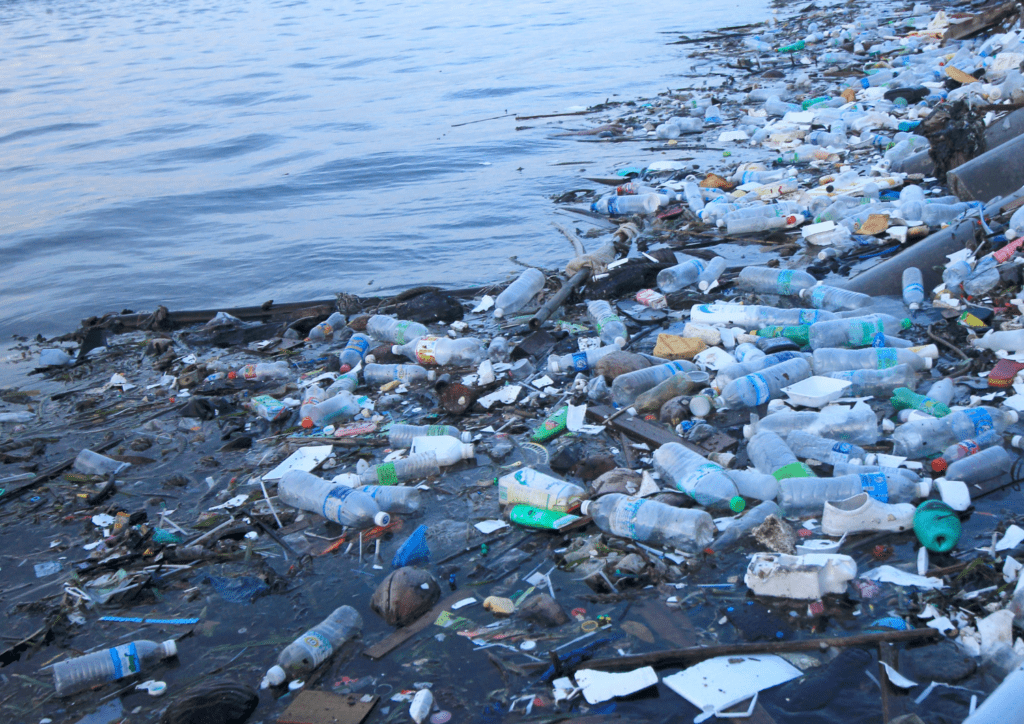


Putting a deposit on all drink containers would be a win for the public and the environment
ENVIRONMENTAL DEFENCE AND TORONTO ENVIRONMENTAL ALLIANCE
Toronto | Traditional territories of the Mississaugas of the Credit, the Anishinaabeg, the Haudenosaunee, and the Wendat – The bumpy rollout of Ontario’s new producer-run Blue Box system is coming at a time when Ontarians are losing locations to return their alcoholic beverage empties. This highlights a major weakness in Ontario’s approach to packaging waste: there is too little attention paid to actual recycling and too much focus on the profits of companies who make and sell packaged goods. Environmental Defence and the Toronto Environmental Alliance are calling for action from the provincial government to sort out the mess.
“Ontario must implement what almost every other province in Canada has: a comprehensive deposit-return program for beverage containers – including beer, wine, water, pop and juice,” said Karen Wirsig, Senior Program Manager for Plastics at Environmental Defence. “The government has stubbornly stuck to the curbside recycling system for non-alcoholic empties while weakening the very successful deposit system for alcohol containers. The downsides of this approach are being felt across Ontario, with the real risk that more and more containers end up as landfill, litter or incinerator ash.”
“The Province’s weak Blue Box regulations mean recycling is only going to get worse. We need our government to act quickly to fix it,” said Emily Alfred, Waste Campaigner at the Toronto Environmental Alliance. “One key solution is to put a deposit on all beverage containers, and ensure there are return locations across the province. Deposits lead to higher recycling rates, and better, cleaner recycling than the Blue Box ever will.”
BACKGROUND:
- Ontario’s curbside recycling program recycles less than half of all beverage containers – leaving billions of empties destined for landfills, incinerators or the environment as litter. Deposit-return programs – including the one that exists in Ontario for alcoholic beverages – consistently achieve collection and recycling or refill rates of around 80 per cent of containers.
- All provinces, with the exception of Ontario and Manitoba, have effective deposit-return systems for a wide range of beverages with high rates of return through the use of dedicated return depots and retail outlets. Ontario has fallen behind on preventing beverage container waste and pollution, with the lowest rate for recycling beverage containers of all provinces.
- Ontario’s shift to “extended producer responsibility” (EPR) means that the companies that produce and sell packaged goods, including beverages, are now on the hook for funding the collection and management of their packaging. As of now, producers of non-alcoholic beverages are part of the curbside blue box recycling system.
- The current curbside recycling system in Ontario only covers drinks that people consume at home. The containers for the 30 per cent of beverages consumed away from home are much more likely to end up as litter or in waste disposal. Deposit return would cover all packaged beverages, no matter where we buy and drink them.
- With the closure of nearly 100 Beer Stores since the fall of 2024, people in Ontario have started to lose access to locations to return their beer, wine and spirits empties and recoup their deposits. Meanwhile, the producers that operate the curbside recycling system tell residents not to put their alcohol empties in the blue box, leading to confusion and more refillable empties going into the garbage.
- Expanding the existing deposit system to include non-alcoholic beverages would provide more resources to boost return locations and simplify things for consumers; all containers could go to the same place.
- Companies that make non-alcoholic beverages like pop, water and juice support the move to a deposit-return program for their materials. The provincial government has a golden opportunity to work with them to expand this successful system.
ABOUT ENVIRONMENTAL DEFENCE (environmentaldefence.ca): Environmental Defence is a leading Canadian environmental advocacy organization that works with government, industry and individuals to defend clean water, a safe climate and healthy communities.
ABOUT THE TORONTO ENVIRONMENTAL ALLIANCE: For over 35 years the Toronto Environmental Alliance (TEA) has campaigned locally to find solutions to Toronto’s urban environmental problems. As a not-for-profit organization, TEA advocates on behalf of all Torontonians for a green, healthy and equitable city.
– 30 –
For more information or to request an interview, please contact:
Mira Merchant, Environmental Defence, media@environmentaldefence.ca
Jessica Gordon, Toronto Environmental Alliance, jessica@torontoenvironment.org