
On October 13th, it was officially four years since ArcelorMittal Dofasco “broke ground” on their decarbonization project. There’s been no discernible progress on the project. Sadly, after four years, this is old news.
But as the stalling drags on, Canada’s largest steel mill risks going backwards. The facility’s blast furnaces are nearing the end of their operational lives. Soon the company will have to decide whether to finally follow through on decarbonization or to reline their blast furnaces and commit to decades more coal burning.
Few would have imagined this situation just a few years ago. The federal and provincial governments have committed a combined $950 million in public funds to make this project happen. With this much support, the project seemed like a sure thing. But now it is very possible ArcelorMittal Dofasco could fail on decarbonization transition and retrofit their coal-burning equipment instead.
The longer they stall, the greater this risk grows.
The Risk of Relining
To understand this risk, we need to understand what a blast furnace is.
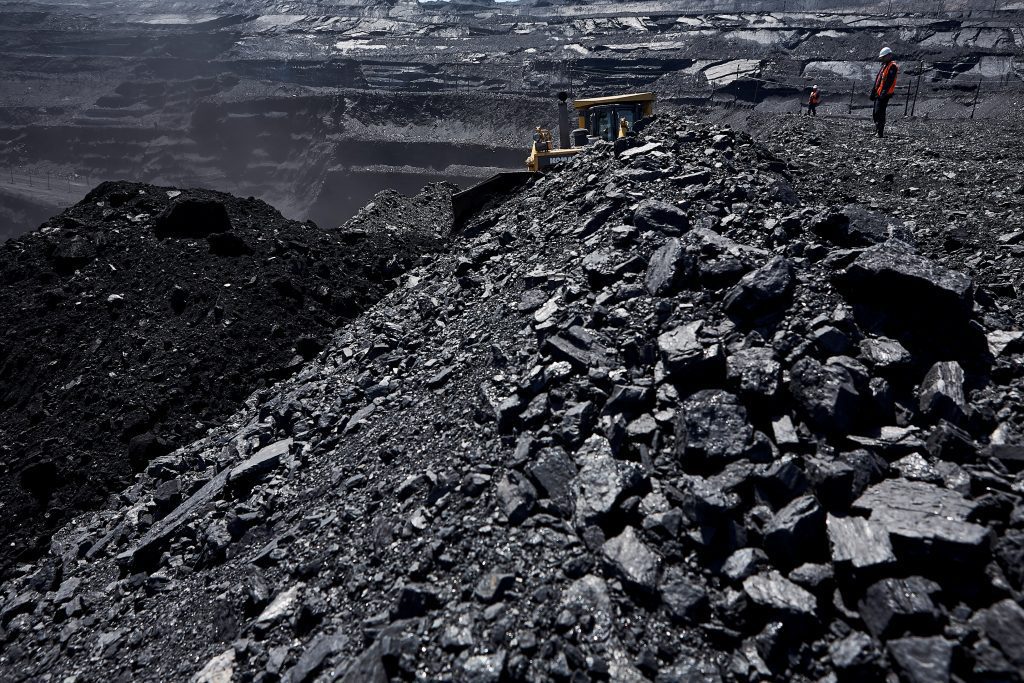
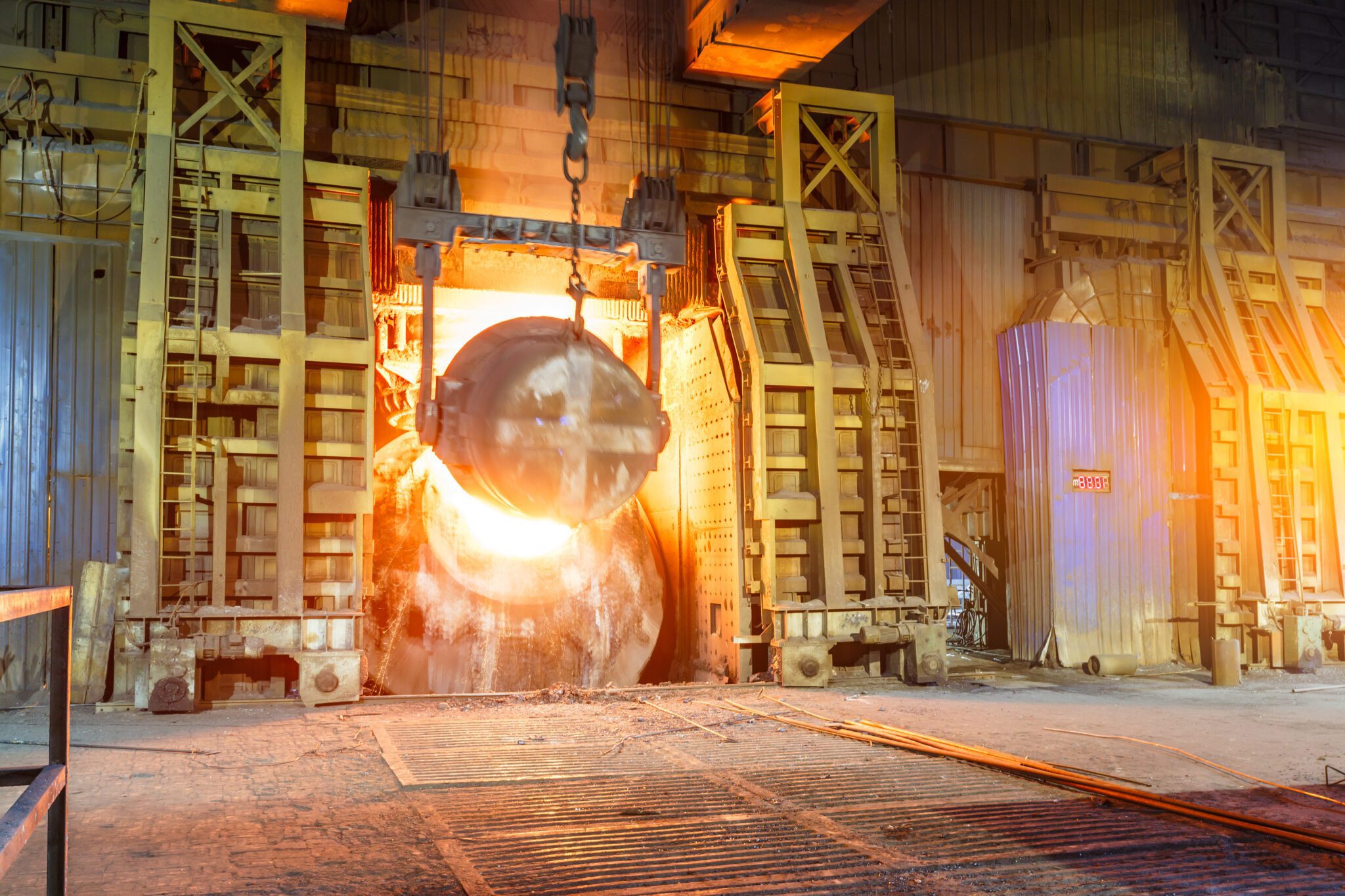
Blast furnaces burn coal at the high temperatures necessary to smelt iron ore. This is the heavy lifting in conventional steelmaking and produces most of steelmaking’s emissions. These furnaces are lined with heat-resistant bricks that need to be replaced every 15-20 years. These replacements are called “relines”. Relining is necessary to keep old blast furnaces going and it requires significant capital investments. Most relines run in the hundreds of millions of dollars.
ArcelorMittal Dofasco’s has two operating blast furnaces that were built in 1957 and 1971. The first No. 2 blast furnace was last relined in 2005 and will soon reach the end of its operating life. There is no data on the other blastfurnace, No.4, but that data gap suggests its last reline was even further back.
It makes sense then that ArcelorMittal Dofasco’s decarbonization timeline coincided with its blast furnaces’ aging out. Relines are expensive and steel producers want to run them to completion. But persistent delays have now stretched that timeframe to its limit.
ArcelorMittal Dofasco will have to make a choice: spend hundreds of millions to reline its furnaces or get moving on decarbonization. That decision will likely happen this year – and it will determine whether Hamilton residents are subjected to coal pollution for decades to come.
Low-carbon Economics
As ArcelorMittal Dofasco plays the waiting game, the underlying economics for its transition project are getting stronger. And the evidence for decarbonizing is piling up.
Electric Arc Furnaces are a not-so-new technology that can make steel from scrap metal or high quality iron without using fossil fuels. And there is a process called direct reduction ironmaking that is an alternative to blast furnaces that uses hydrogen to process iron rather than smelting it with coal. These two technologies can produce steel with no fossil fuels needed.
Two recent studies by Ceres and the National Resource Defence Council demonstrate that new investments that pair Direct Reduced Iron (DRI) with Electric Arc Furnaces (EAFs) will outcompete facilities that choose to reline their blast furnaces. This is the same technology ArcelorMittal Dofasco promised to deliver. And it comes with many advantages.
Producing solid, rather than molten, iron means DRI-EAF facilities can stop and start on demand and without incurring major losses. This flexibility makes DRI-EAF production more resilient in the face of economic disruptions. It also means DRI facilities do not need to be co-located with EAFs and can produce iron in where it is most cost efficient.
These characteristics strengthen the argument to transition and make us question why shovels aren’t in the ground decarbonizing Canada’s largest steel mill.

Towards a Transition
The transition to DRI-EAF is not a straight path to clean steel production. Currently, new DRI facilities are only cost competitive with conventional facilities when they use hydrogen derived from natural gas. Producing clean steel will mean using green hydrogen, and clean steel projects require credible plans to make that switch.
But the point remains: The underlying economics of DRI-EAF steelmaking are strong. And transitioning to modern DRI-EAF facilities is a step towards low-carbon steel that will avoid locking into two decades of additional coal burning.
We’re told that ArcelorMittal Dofasco has pressed pause on decarbonization because of tariffs and the economic uncertainty they have created. That uncertainty is real and so are its impacts. But the data gives us good reason to be skeptical of this argument.
Canadian steel producers will need every possible advantage they can to compete – both now and into the future. The clearest way to secure that advantage is to transition to DRI EAF production. Waiting is unlikely to do ArcelorMittal Dofasco any favours. It will only bide time on investments they will have to make, and risk them recommitting to aging, inefficient technology.
Governments at all levels are bending over backwards to support the Canadian steel industry. Though economic conditions are uncertain, this moment could be as opportune as any to make this switch. And failing to take advantage of this moment would be a missed opportunity. And no one can say when the next one might arise.
Moving forward
This next year will be a consequential one for Canada’s steel industry – and the conversation needs to change to reflect the present situation.
ArcelorMittal Dofasco is no longer simply stalling on decarbonization. They are at risk of abandoning the project altogether and reinvesting in highly polluting blast furnace technology instead. This would threaten the viability of Canada’s largest steel mill and burden Hamilton residents with unacceptable air pollution for decades to come.
Federal and Ontario governments have committed a combined $950 million to fund this transition. They need to ensure decarbonization moves forward, and that ArcelorMittal Dofasco chooses a path that will secure steel jobs and clear air into the future.