
Environmental Defence releases new backgrounder ahead of the Investment Summit, warning Canada risks falling behind by betting on the wrong economic pathway
Toronto | Treaty Lands and Territory of the Mississaugas of the Credit First Nation, and the traditional territory of the Anishinaabeg, the Haudenosaunee, and the Wendat – Canada has what the world wants and it isn’t oil or gas. Next week’s Investment Summit could chart a new path for Canada, or ensure Canada gets left behind in the 21st century clean energy race. Environmental Defence’s newest analysis exposes the risk of betting on the wrong pathway for Canada.
“This summit presents a critical moment for Canada to establish stronger positions in industries expected to grow over the coming decades, such as clean energy, clean steel and battery manufacturing,” says Alex Walker, Energy Analytics Program Manager at Environmental Defence. “However, if Prime Minister Carney’s government continues its current approach of cheerleading oil and gas at a time when global energy investment trends are moving away from fossil fuels, Canada risks getting left further behind in the global clean energy transition.”
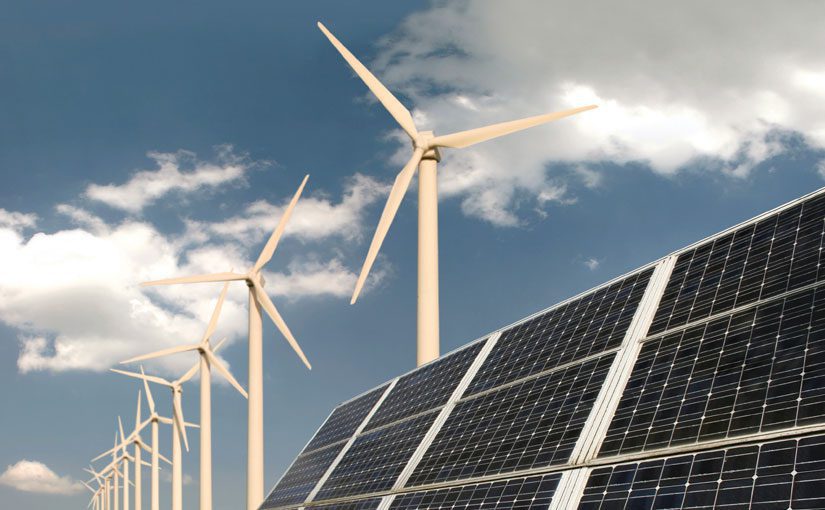
The trends in the energy sector are clear: investment in clean energy is far outpacing investment in fossil fuels. Global energy investment is expected to reach a record US$3.4 trillion in 2026. Of this, approximately US$2.2 trillion will go to clean energy. On the other hand, global demand for oil will soon begin to fall. China – the world’s largest oil importer – likely reached peak oil demand last year. The closure of the Strait of Hormuz means importing nations have begun investing heavily in electric vehicles and renewable energy to bolster their energy independence and reduce the need for imported oil and gas.
“We have what we need to be world clean energy leaders: clean electricity, critical minerals, a highly educated workforce, advanced manufacturing capabilities, access to major markets and strong global trust” says Walker. “We should be using these assets to attract investment into growing industries that will build our economic capacity for decades to come, including green steel and aluminum, battery components, transformers and grid technologies.”
The Government of Canada has compiled a list of over 150 projects for summit attendees. Reporting suggests that the list skews heavily toward energy and natural resources, including the proposed west coast pipeline, carbon capture and storage and LNG projects.
“Prime Minister Carney’s pitch book for Canada may well contain some significant clean energy and advanced manufacturing projects, but it also contains $108 billion of fossil fuel projects. Investing in the clean energy transition while also expanding fossil fuel production isn’t a coherent investment strategy, it’s a contradiction. It’s driving towards a cliff, with one foot on the brake and the other foot on the accelerator,” adds Walker.
For Canada’s long-term economic growth, the costs of climate change are no less consequential than the risks of weak investment. As last week’s latest state of the climate report made clear, the climate crisis is already causing increasingly severe wildfires, floods, extreme heat, drought and other climate-related events which are damaging Canadian communities and infrastructure. Last year, climate change reduced Canada’s GDP by approximately C$25 billion, comparable in scale to the impacts of the US trade war.
The public should be wary of the deals being made behind closed doors. On the one hand, there is a risk of more mega-polluting projects moving forwards, which means more climate disasters. Additionally, there is the risk that these investments are structured in such a way that private companies are guaranteed returns while the public shoulders all the risk. According to Walker, “mega-projects like pipelines and nuclear facilities carry significant financial risks, and someone must carry that risk. It should sit with the investors who stand to profit, and not Canadian taxpayers.”
The window to get this right is closing. Canada needs to act now to ensure we are building the economy of the future, not doubling down on the economy of the past.
Additional information
- PM Carney is hosting Canada’s first major investment summit amidst significant shifts in global trade approaches. The goal of the summit – taking place on September 14 and 15 in Toronto – is to attract new foreign investment into Canada, advance new nation-building projects, grow the economy, and catalyse more than $1 trillion in investment over five years.
- Canadian officials have produced an extensive deal book for the summit that will include a list of government-backed initiatives that investors can participate in, as well as projects by private and public companies.
- A leaked copy confirms that both the Ksi Lisims LNG Terminal & PRGT Pipeline Project (investment worth US $28.5 billion / C $40 billion), and the West Coast Pipeline (investment indicated at US $25.4 billion / CAD $35 billion) are included in the project pitch book for the investment summit.
MEDIA AVAILABILITY: With Canada’s first major Investment Summit taking place in Toronto on September 14–15, Environmental Defence experts are available for comment and interviews during the summit on Canada’s investment choices, global clean energy investment trends, and the economic risks of continued investment in oil and gas.
Available spokespeople:
Keith Brooks, Programs Director
Alex Walker, Energy Analytics Program Manager
Julia Levin, Associate Director, National Climate
Julie Segal, Senior Program Manager, Climate Finance
Aly Hyder Ali, Senior Program Manager, Oil and Gas
Michael Adamson, Program Manager, Clean Steel
ABOUT ENVIRONMENTAL DEFENCE (environmentaldefence.ca): Environmental Defence is a leading Canadian environmental advocacy organization that works with government, industry and individuals to defend clean water, a safe climate and healthy communities.
– 30 –
For more information or to request an interview, please contact:
Midhat Moini, Environmental Defence, media@environmentaldefence.ca