



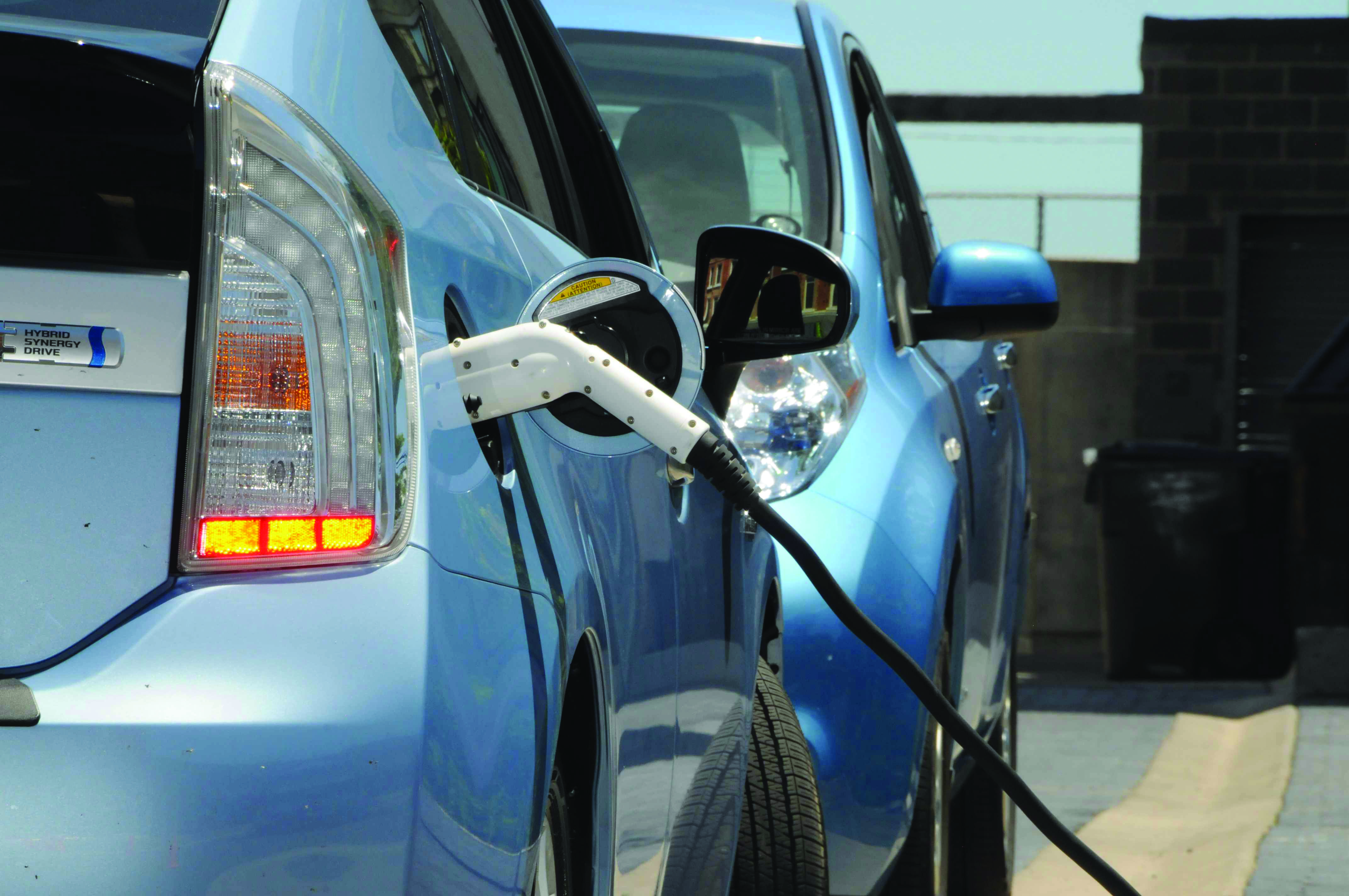
Last year the government announced that it was scrapping the Electric Vehicle Availability Standard (EVAS). To replace the Standard (which would have made electric cars more available and accessible) the government announced a new “automotive strategy” and promised to implement new tailpipe emission standards. These new standards are supposed to drive EV adoption and see that 75 per cent of cars sold in 2035 would be EVs, a much lower goal than the 100 per cent target committed to by Prime Minister Trudeau. Although months have gone by, there has been no update to the automotive strategy or its implementation, leading to market uncertainty and a policy vacuum.
The good news is that Canada is moving away from automatically following U.S. vehicle regulations, but progress has been far too slow. After years of uncertainty created by the United States environmental protection rollbacks, Canada has to chart its own course. The government’s new strategy signals that it recognizes this reality, but the tailpipe standards currently under consideration need to be much stronger if Canada is serious about reducing pollution and protecting public health.
So what exactly are tailpipe emission standards?
Simply put, tailpipe emission standards are legal limits on how much pollution a vehicle is allowed to release from its exhaust pipe. They regulate harmful pollutants such as nitrogen oxides (NOx), particulate matter and other contaminants that contribute to smog, poor air quality and respiratory illnesses.
To determine whether a vehicle meets the standard, manufacturers test their cars in a lab. This test tells us just how much pollution is being created for each kilometre the car drives. This result is measured in grams per kilometre (g/km) or grams per mile (g/m).
For example, if a vehicle emits two grams of pollution during a 10-kilometre test, its emission rate is 0.2 grams per km. If the legal limit is 0.1 km per mile, that vehicle fails the standard and can’t be sold until it meets the requirement. While testing methods are getting more accurate all the time, the goal remains the same: ensuring vehicles sold to consumers are getting cleaner over time.

Canada doesn’t need to reinvent the wheel with its regulations. Europe has spent years strengthening its vehicle pollution rules through increasingly ambitious standards. Europe’s tailpipe standards are meant to ensure that 90 per cent of new car sales are EVs in 2035. The newest regulations include tighter limits on harmful pollutants, improved testing that better reflects real-world driving and stronger durability requirements to ensure vehicles remain clean throughout their lifetime.
Rather than looking south to the U.S., where they are weakening environmental protections, Canada should be following the lead of places that continue to raise the bar. Aligning with Europe’s standards and target – would provide greater certainty about what the expectations are for manufacturers, and deliver cleaner air and healthier communities for Canadians.
The federal government has an opportunity to build a modern vehicle emissions framework that reflects Canada’s climate and clean air goals. These emissions standards would help ensure that every new vehicle sold in Canada is cleaner than the one before it.