

Statement by Keith Brooks, Programs Director, Environmental Defence
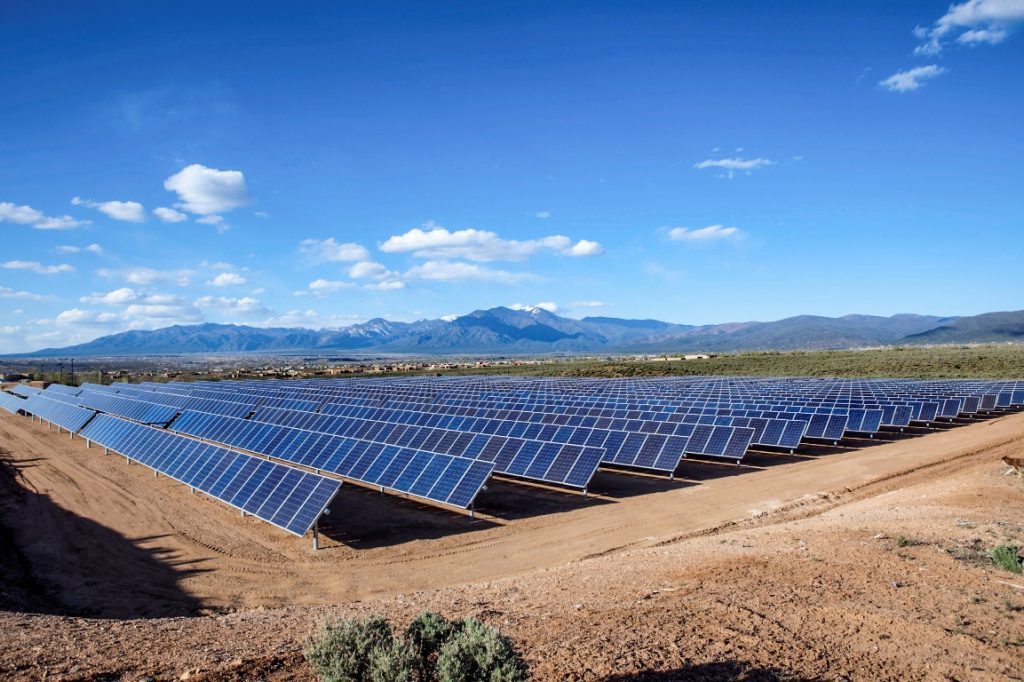
Toronto | Treaty Lands and Territory of the Mississaugas of the Credit First Nation, and the traditional territory of the Anishinaabeg, the Haudenosaunee, and the Wendat – We welcome the significant procurement of new renewable electricity under the province’s energy auction. It reflects a clear global trend: wind and solar are the lowest-cost sources of new power, delivering real benefits for affordability and energy security. The fact that Ontario secured renewable energy contracts at decent prices isn’t some feat to be celebrated. It is the predictable outcome of decades of falling renewable energy costs driven by global markets and innovation.
These projects will deliver real benefits to the communities in which they are going to be built – lease payments for landowners, community benefits agreements in many cases and jobs for local contractors. And we’re glad to see Indigenous participation in all of these projects. We hope to see more wind and solar projects receive the support they need in future procurements.
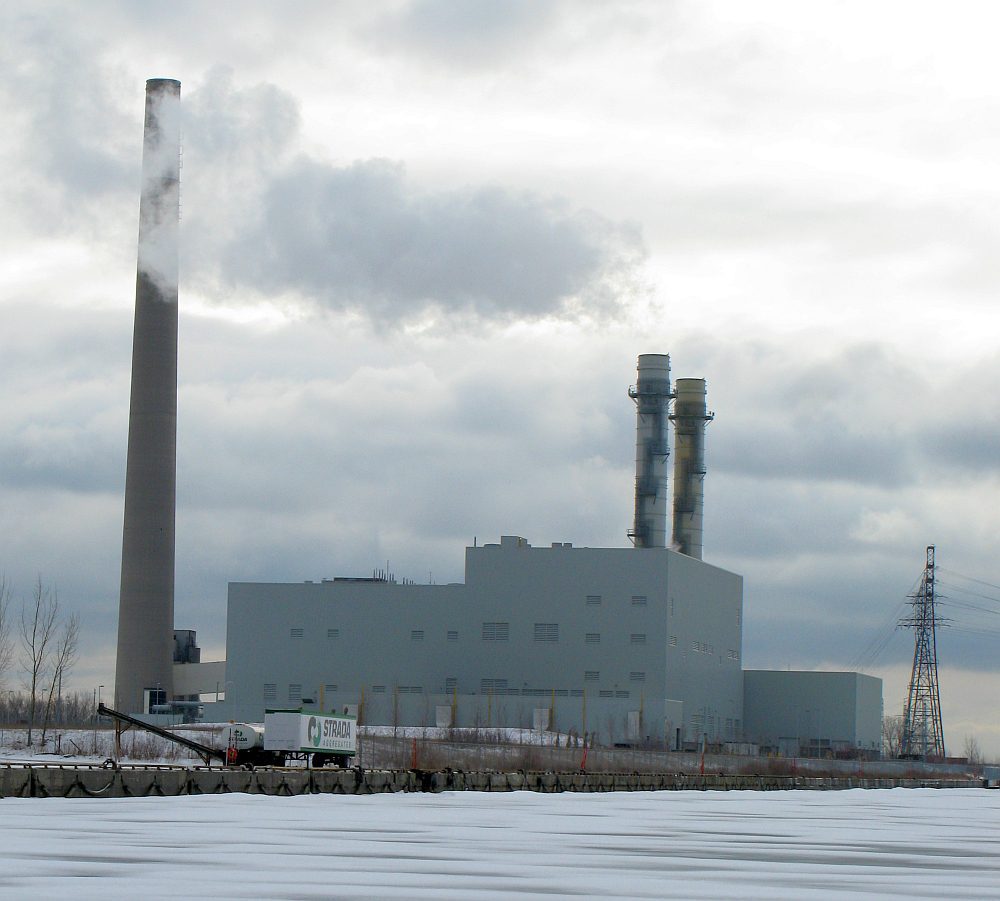
Ontario is still headed in the wrong direction when it comes to electricity. In 2025, 19 per cent of Ontario’s electricity was generated by burning natural gas. That’s up from 4 per cent in 2017. And more gas plants may be awarded contracts in the upcoming announcement about the capacity stream, despite the fact that batteries were less than half the price of gas in the last procurement. Ontario needs to reverse this trend and fully embrace the low-cost clean energy opportunity that wind, solar, and battery energy systems can deliver.
Background
- Ontario has procured approximately 1,315 MW of new electricity supply, representing more than 3 TWh of annual energy production, primarily from solar and wind.
- This announcement reflects the energy stream (e1) of the Long Term 2 (LT2) procurement; results from the capacity stream (c1) are expected in June 2026.
- The LT2 process aims to secure up to 7,500 MW of new electricity supply by 2029.
- Global renewable energy costs have dropped steeply—solar by up to 90% and wind by around 70% in the past decade—making lower procurement prices unsurprising and well understood across the energy sector.
- Ontario procured renewable energy in this round at a weighted average fixed price of $87.80/MWh, underscoring the cost advantage of clean energy.
- Ontario’s electricity system continues to rely on gas-fired generation to meet peak demand and provide system reliability.
- Ontario’s grid has declined from roughly 96% non-emitting in 2017 to 81% in 2025—the highest emissions level since the coal phase-out due to an increased reliance on gas.
- Battery storage and other non-emitting solutions are increasingly being used globally to meet reliability needs without expanding fossil fuel use.
- Municipal Support Resolutions (MSRs) are required for project approval in the procurement process and can significantly influence which projects proceed.
ABOUT ENVIRONMENTAL DEFENCE (environmentaldefence.ca): Environmental Defence is a leading Canadian environmental advocacy organization that works with government, industry and individuals to defend clean water, a safe climate and healthy communities.
– 30 –
For more information or to request an interview, please contact:
Tamara Latinovic, Environmental Defence, media@environmentaldefence.ca