

You might not notice it, but you’re surrounded by it. From the rebar in your walls to the frame of your car, steel is the backbone of modern life. But while we rarely consider how it’s made, producing it is one of our most carbon-intensive industrial processes.
The Problem
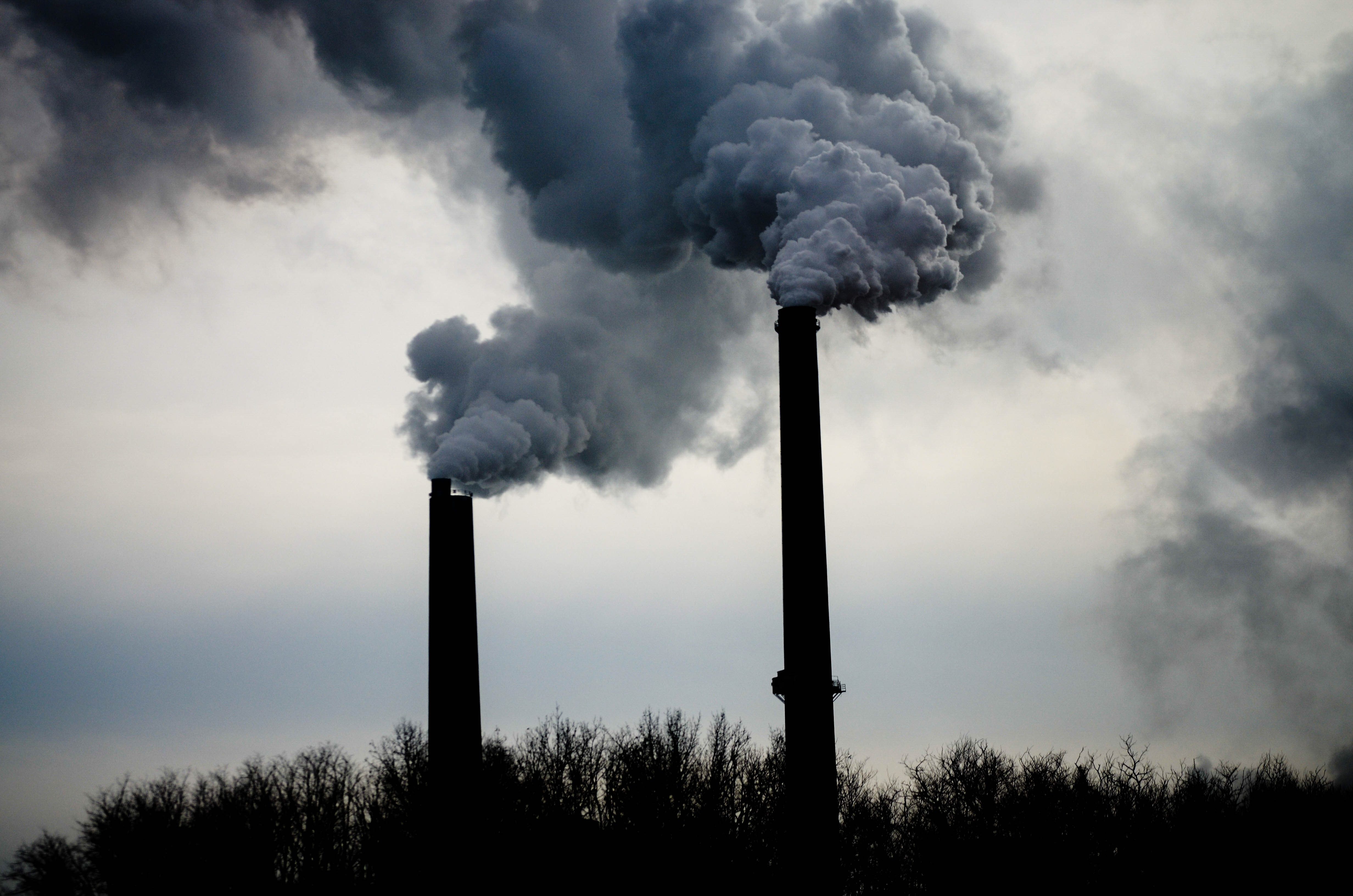
The steel industry produces a staggering volume of carbon emissions. Direct emissions account for 7% of global emissions, rising to 11% across the full supply chain. If the steel sector was its own country, it would rank as the third largest emitter, between India and the United States.
At its core, steel’s carbon problem is a coal problem. Traditional steelmaking uses a refined coal product called coke to smelt iron ore. Burning coke melts the ore and provides the carbon needed to produce pure iron. Carbon binds with the oxygen in the ore, leaving purified iron behind. When carbon and oxygen bind, however, this produces CO₂ – 2.3 tonnes for every tonne of steel.
For all of steel’s carbon problems, it’s still a key player in the fight against climate change. Wind turbines, solar installations, transmission lines, batteries, EVs and high speed rail – all this infrastructure depends on vast quantities of steel. We need more, not less, steel to make a clean energy future. This means figuring out how to produce low-carbon steel and producing more of it.
Where to start
Solving steel’s carbon problem starts with what’s already working – and that’s recycling. Steel is the most recycled material on Earth. It can be reused continually without losing quality and this means we can make new steel by melting old, recycled steel. The industry calls this secondary steelmaking.
Enter Electric Arc Furnaces (EAFs). Long before electrification entered our climate vocabulary, steel mills adopted EAFs to melt scrap steel using powerful electric current. Today, approximately 30% of global steel demand is met by recycled steel using EAFs. And as the grid decarbonizes, these EAFs can produce very low-emission steel and provide a clear path to electrification.
After decades of innovation, EAFs can now produce the most advanced steel grades. They’re also often the least expensive way to make steel, which is why Algoma steel – Canada’s only major domestically owned steel producers – made the electric switch last year.
Beyond recycling
There simply isn’t enough scrap steel – and particularly quality scrap steel – to meet growing demand. We still need primary steelmaking and this means figuring out how to smelt iron ore without coal.
Luckily, there is also a process called direction reduction. This ironmaking process emerged as an alternative to traditional coal-based methods in the 1950s. Rather than melting iron ore with coke, direct reduction passes hydrogen gas through iron ore pellets at high temperatures. And instead of binding oxygen to carbon, direct reduction binds it with hydrogen, which forms harmless H₂O rather than climate-wrecking CO₂. The result is purified, solid direct reduced iron (DRI).
When paired with EAFs, DRI provides the key to solving steel’s carbon problem. Because it stays solid, it can be pressed into bricks and used as a substitute for scrap steel in electric steelmaking across the globe.
Bringing it Home
Canada is uniquely positioned to lead green DRI production. We have globally significant reserves of DRI-grade iron ore and some of the continent’s large hydroelectric dams. With the right investments, we could develop a strategic clean export industry – producing green iron briquettes on the shores of the St. Lawrence, ready to fill EAFs at home and abroad.
But despite all the talk of major projects, the federal government has yet to move on our clean steel potential. It’s time we got serious about it, because clean steel could be a real opportunity for climate competitiveness.
We need a national steel strategy that prioritizes:
- Major investments in renewable energy and green hydrogen production near iron reserves
- Manufacturing capacity for direct reduction iron and hot briquetted iron
- Workforce development and training
Meanwhile, we also need to retrofit existing steel mills to phase-out coal burning, build EAFs, and align steel production with the needs of the clean energy transition. None are more important than Canada’s largest steel mill, ArcelorMittal Dofasco, who have been dragging their feet on a green steel transition for five years. For Canada to achieve its clean steel advantage, we need our biggest steel mill producing clean steel.
Steel’s carbon problem might be tough, with the right investments and Canada’s steel industry could transform from a super polluting industry in decline, to a clean economic powerhouse that’s at the leading edge of our economic strategy.