

It’s a new year, and Ontario’s new program for households who get curbside recycling pickup has begun. Here are five things you should know about it:
Producers are now responsible, not your municipality.
The contents of your recycling bin are now fully the responsibility of the companies that sell you packaged goods and paper products, no longer your municipal government. These companies now manage the collection, sorting and recycling or disposal of the cans, boxes and bags that go into your bin. Despite the shift in responsibility, collection should continue basically as before. This change came from the provincial government, to make producers of all the packaging and products responsible for it from cradle to grave. In principle, this is a good idea, because municipalities and their residents have been subsidizing this throwaway economy for far too long.
Put all packaging in the bin.
Another positive is that we need to worry less about what type of material we put in our bin, as long as it is packaging and paper products (such as flyers, envelopes and magazines). You can stop paying attention to the confusing – and often misleading – numbers and arrows on plastic containers. Whether these companies can recycle all this stuff is now their problem. So make sure to put all your bags, pouches, food tins, vinegar bottles, boxes, envelopes, clamshell containers, etc., into your bin. The only exception is alcohol containers and packaging, which are handled in Ontario’s successful deposit return program (more on this below).
You can still help reduce contamination.
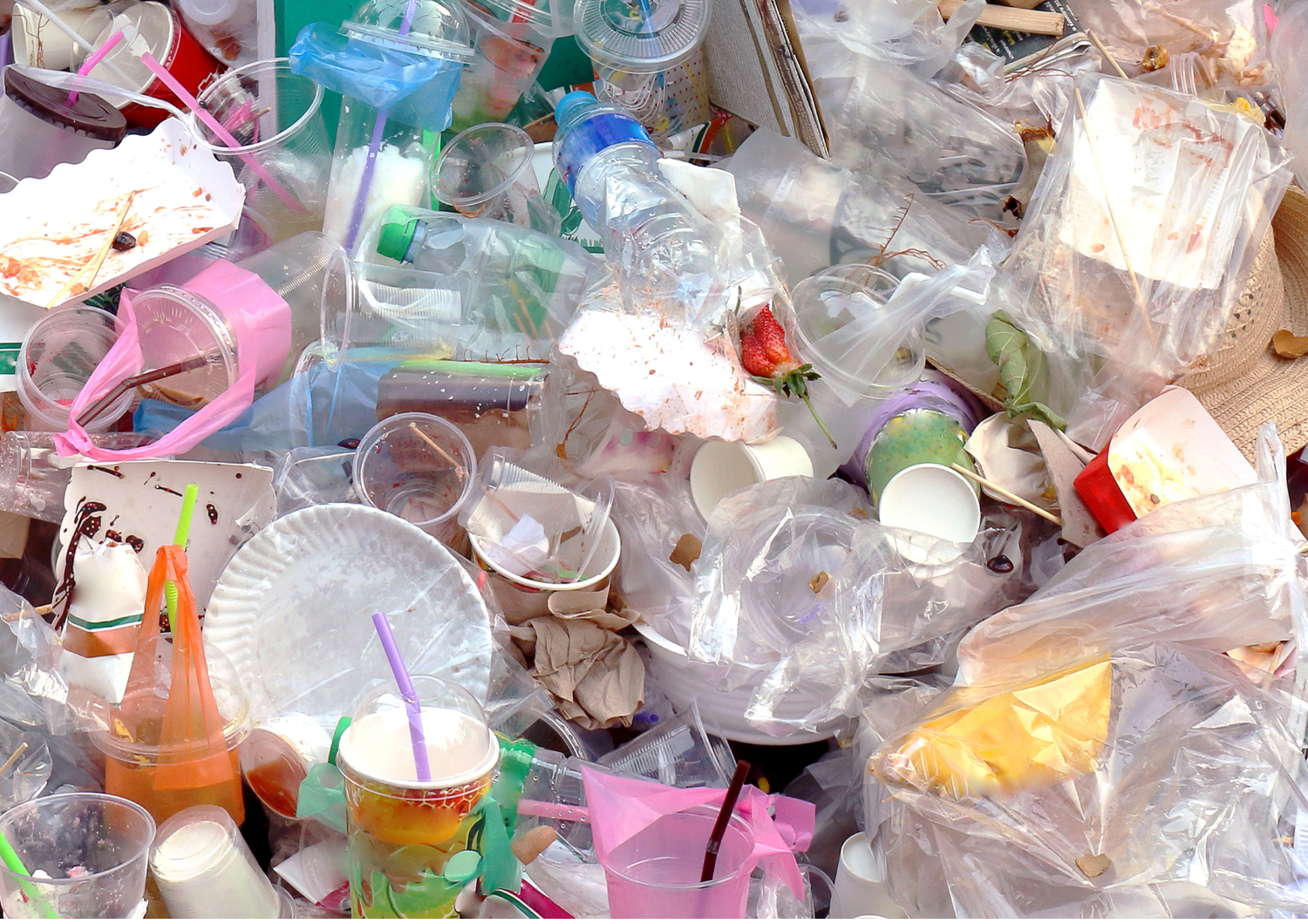
Just because it belongs in the bin DOES NOT mean all this packaging will now magically get recycled. In fact, many soft plastics are highly unlikely to ever be recyclable and could make the rest more difficult to sort. That’s why we recommend you put your plastic film, bags, and pouches together in one bundle that can be separated easily from the more valuable paper and metals. We want companies to take responsibility for their growing plastic packaging mess, but we can save them from themselves a little bit by helping prevent this garbage from contaminating the truly recyclable materials in the bin. Continue to keep food and hazardous waste like paint and batteries out of your recycling bin, as always!
And now some bad news: This new blue box program will not deliver for the environment.
Unfortunately, this new program is very unlikely to incentivize changes in how companies package their products. We have long advocated for true producer responsibility where companies take on the full cost of their wasteful packaging and feel the urge to fix it. This would require them to meet high collection and reuse, refill or recycling targets that are enforced by the government. But the provincial government has weakened the rules so much that companies won’t be driven to reduce waste and increase recycling. Instead, garbage is simply becoming a higher cost of doing business and companies will continue to try to offload their responsibilities onto others. They have already successfully gotten rid of obligations to collect packaging waste from public spaces, including parks, and from many apartment buildings. Stunningly, they are also now allowed to burn some of the materials and call it recycling. These are all backward steps that will need to be reversed by a future government that cares about the environment and our health.
But all is not lost! Deposit return for the win.
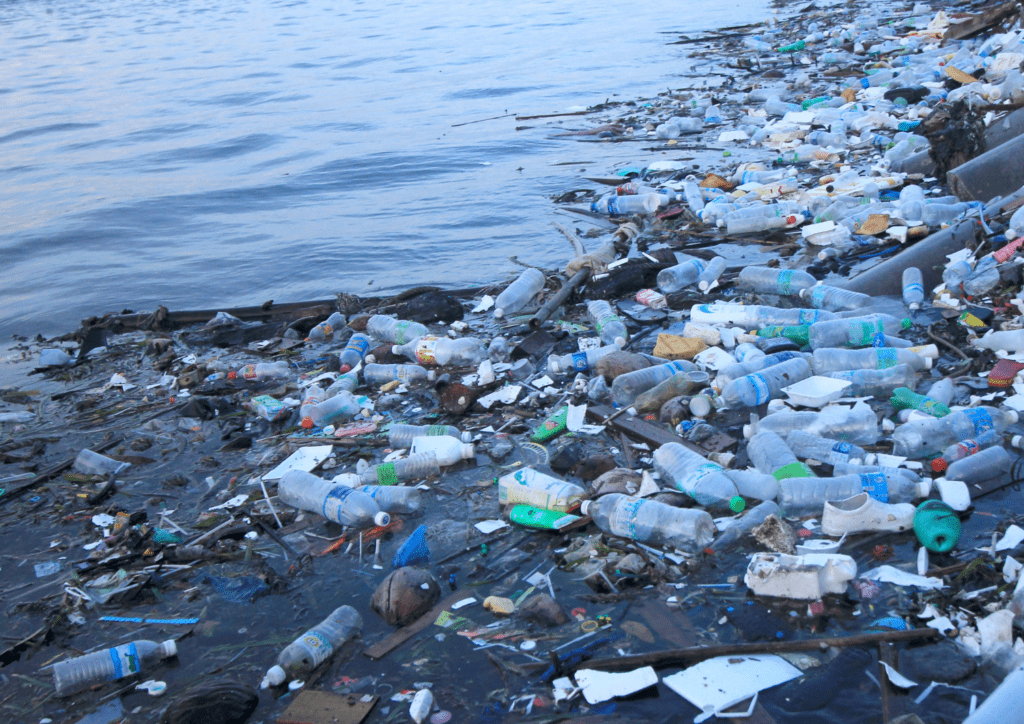
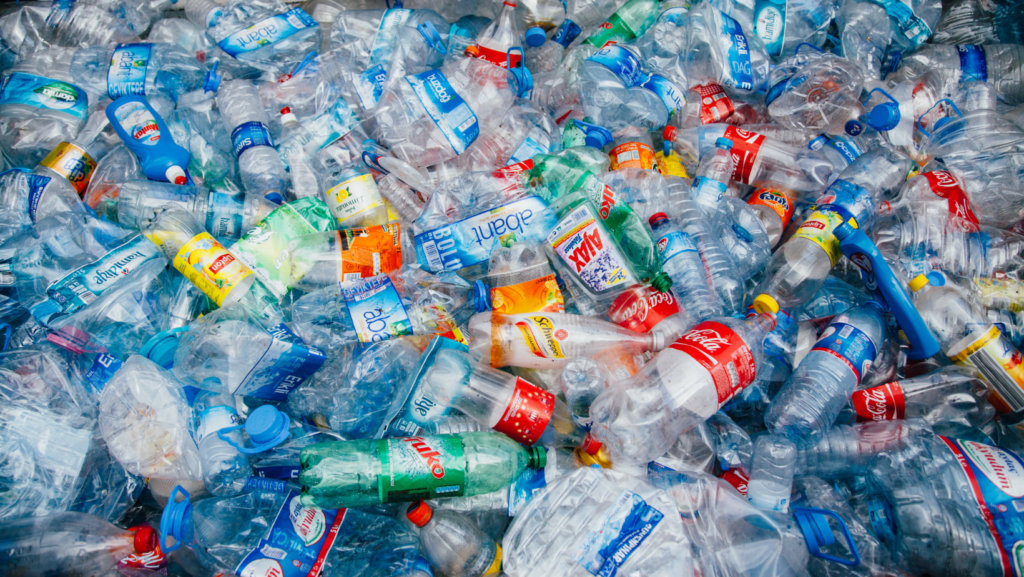
The best way to ensure packaging is reused or recycled is deposit return. That’s where you pay a small deposit on the container when you buy a drink and get your deposit back when you return the empty. Beer brewers have operated this kind of system in Ontario for more than 100 years. Ontario’s Beer Stores have enjoyed very high return and recycling and refill rates—more than 80 per cent! But non-alcoholic beverages, stuck in the Blue Box, fare much worse, with less than half being collected and recycled. That’s why we’re calling for an expansion of the deposit-return program to all beverages – including pop, water and juice – with increased locations to return your empties. That would be a more economical way to get more containers back for recycling, and prevent the waste of billions of containers in the province’s landfills, incinerators, roadsides, parks, rivers and lakes.
Tell the Ontario government you support getting beverage containers out of the Blue Box and into a deposit-return program!