



As we stand at the threshold of 2026, the landscape of environmental advocacy in Canada has changed dramatically. Canada’s closest neighbour and biggest trading partner is driving massive political and economic restructuring. This has created great political and economic unease among Canadians at a collective and personal level.
These new threats have also forced public attention away from clean energy, climate change, plastic pollution, urban sprawl and chemical pollution. Unfortunately, many polluting industries have seized upon this moment to maximize their profits — lobbying decision-makers to roll back progress and carry out attacks on long-standing environmental protection rules and legislation.
These industries argue that it’s for the greater good — but is it? Evidence from history shows that societies succeed in the long term when they integrate protection of the environment into the economic and social development strategies. Those that do not tend to fail. In fact, for the first time in human history, scientifically conclusive evidence is telling us that moving forward economic progress must be grounded in what is best for the environment.

As we move into 2026, Canada has the opportunity to get some key things right to chart a course towards a better future. Here are our predictions for the biggest environmental wins coming our way next year.
Nation-Building Projects:
This year, the federal government has been hyper-focused on nation-building projects. Next year, we will advocate for these projects to align with moving Canada towards clean energy, climate action and protection of nature. Some ones to watch are:
-
- High Speed Rail: The proposed route would run from Toronto through to Ottawa and Quebec City. This train would dramatically cut travel times and highway traffic and increase business and personal productivity. It would also replace fossil fuel powered planes with electric powered trains. Building it should also involve restoring forests and wetlands and delivering benefits to communities. We hope to see another route announced for Edmonton to Calgary.
- Wind West: This renewable energy project would see the creation of massive offshore wind farms in Nova Scotia that could then be sent west to provide up to 25% of Canada’s electricity needs. We expect to see federal support help to move this project ahead and help remove the need for costly and polluting gas plants that are being pushed forward in Ontario and Alberta.
- Clean Steel: It is key to Canada’s future competitiveness that we increase our steel exports to places outside of the U.S. (who has slapped big tariffs on it). A great way to do this and also reduce pollution is to switch from fossil fueled furnaces to electric ones. This will make our steel cheaper to manufacture and also more attractive to purchasers who want green steel. Algoma Steel has this process underway and great progress stands to come in Hamilton and in Quebec.
- Public Transportation: The best way to have less gridlock is to have less cars on the road and that happens when commuters are given viable and affordable choices. Watch for action to roll out a focus on building more public transit infrastructure, giving existing transit greater priority on streets and increasing the frequency of how often a bus or a train comes.
Forever Chemicals:
The jig is up on the long-hidden truth about the risks of Polyfluoralkyl chemicals (PFAS), also known as “forever chemicals”, to people and the environment. These include developmental effects, cancers and disruption of hormone regulation. These chemicals are found in a plethora of everyday products including non-stick coatings, menstrual products, and furniture. Fortunately, after long delays, 2026 is a year when we expect to see action by the federal government to ban at least some of the most egregious PFAS. We will be pushing for action on all of them.
Ontario Deposit Return:
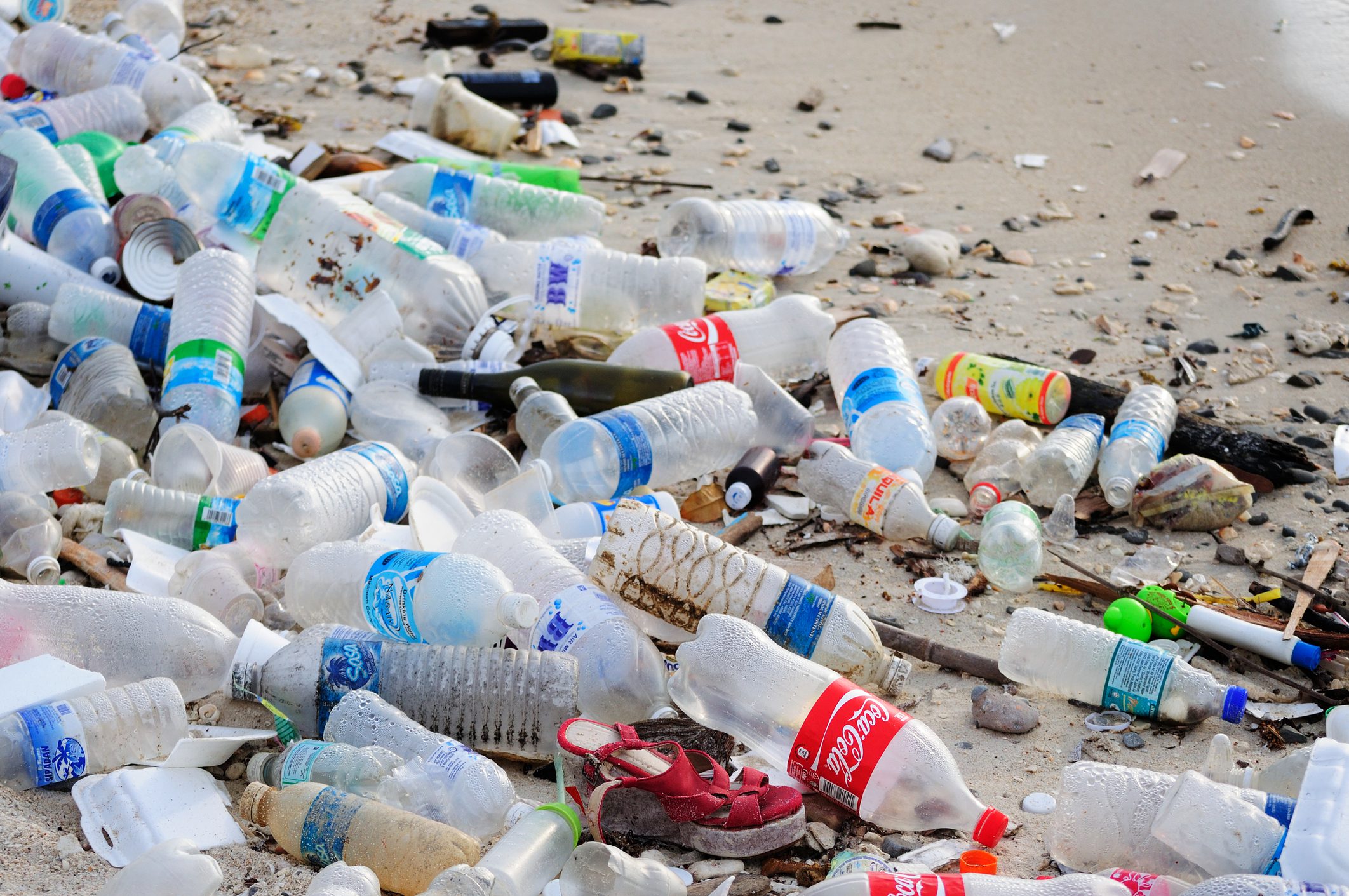
If you live in Ontario, you’re probably sick of seeing littered plastic drink bottles.2026 is the year when we expect to finally see the Ontario government move to adopt a new deposit-return program that will put a price on non-alcoholic drink containers and, as a result, greatly increase recovery and recycling rates. It is not hard to do and 8 of the other 10 Canadian provinces already have successful programs in place.
Clean Energy:
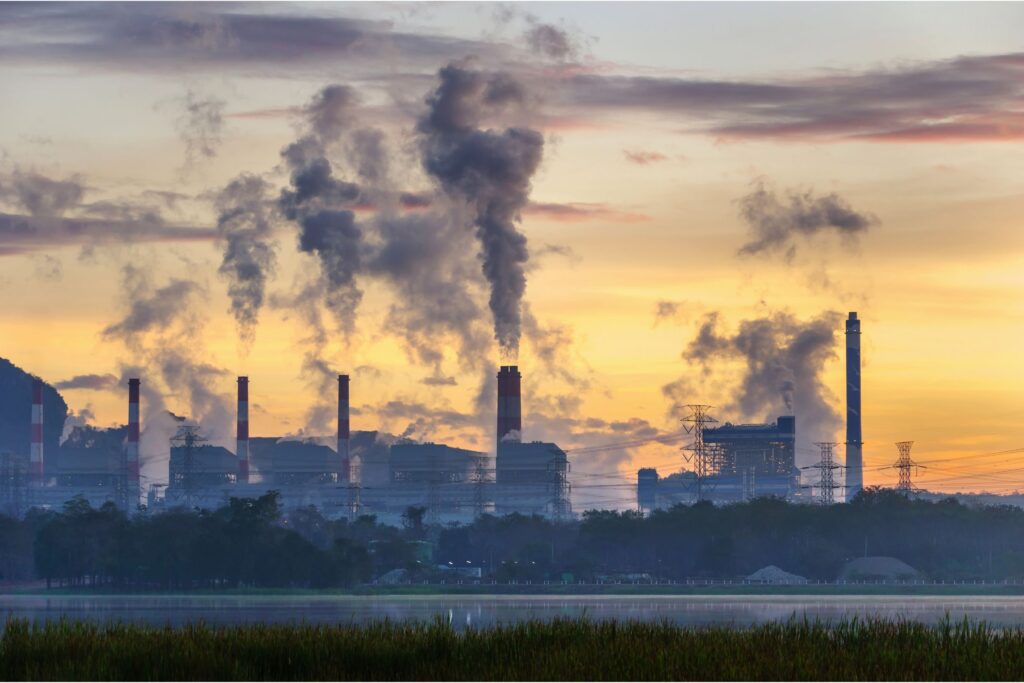
The fossil fuel industry has worked hard to block renewable energy projects. Fortunately for all of us, the price of solar, wind and battery storage systems has dropped so dramatically that it will become increasingly difficult to convince citizens to stick with expensive and polluting gas and oil. Watch for an ongoing shift from gas furnaces to heat pumps and from gas plants to renewable energy production projects.
Electric Vehicles:
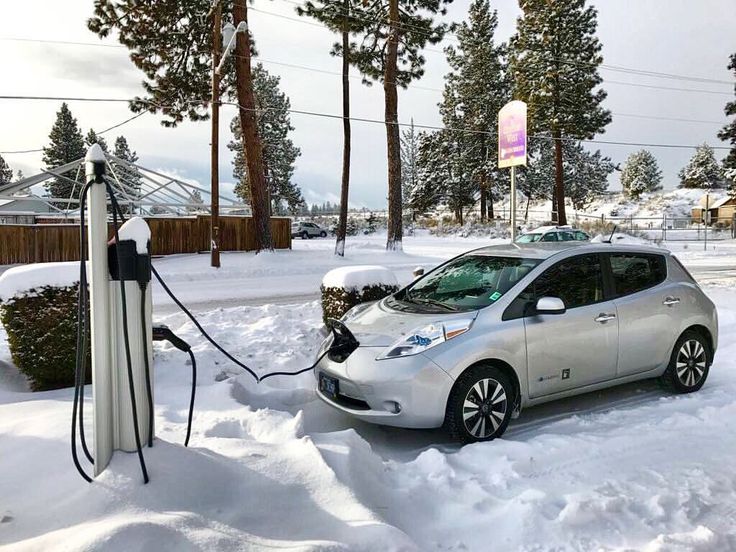
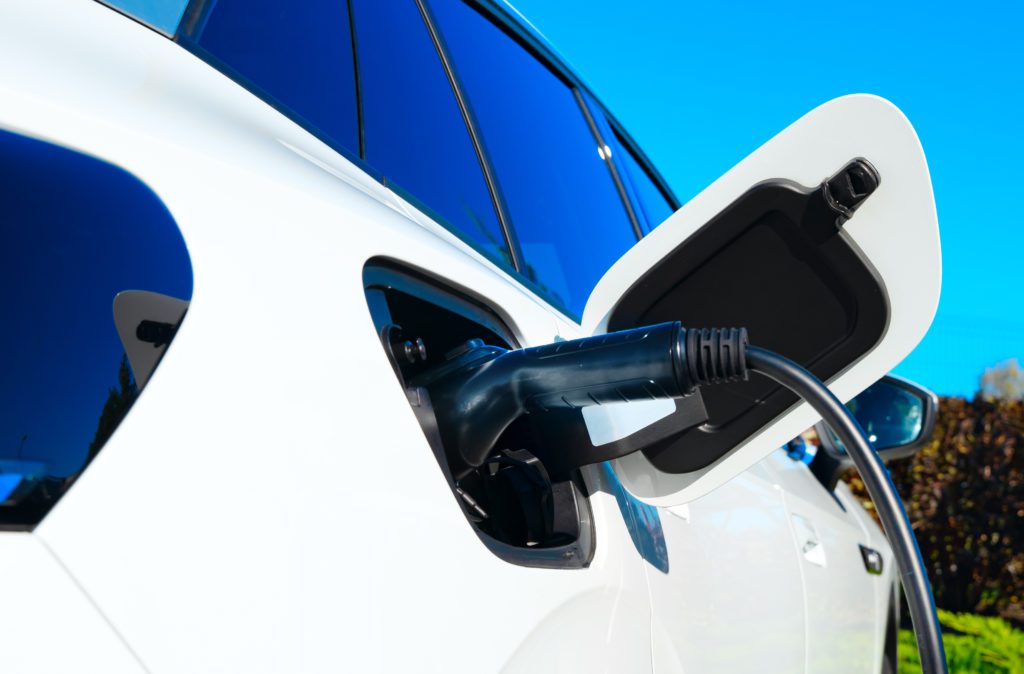
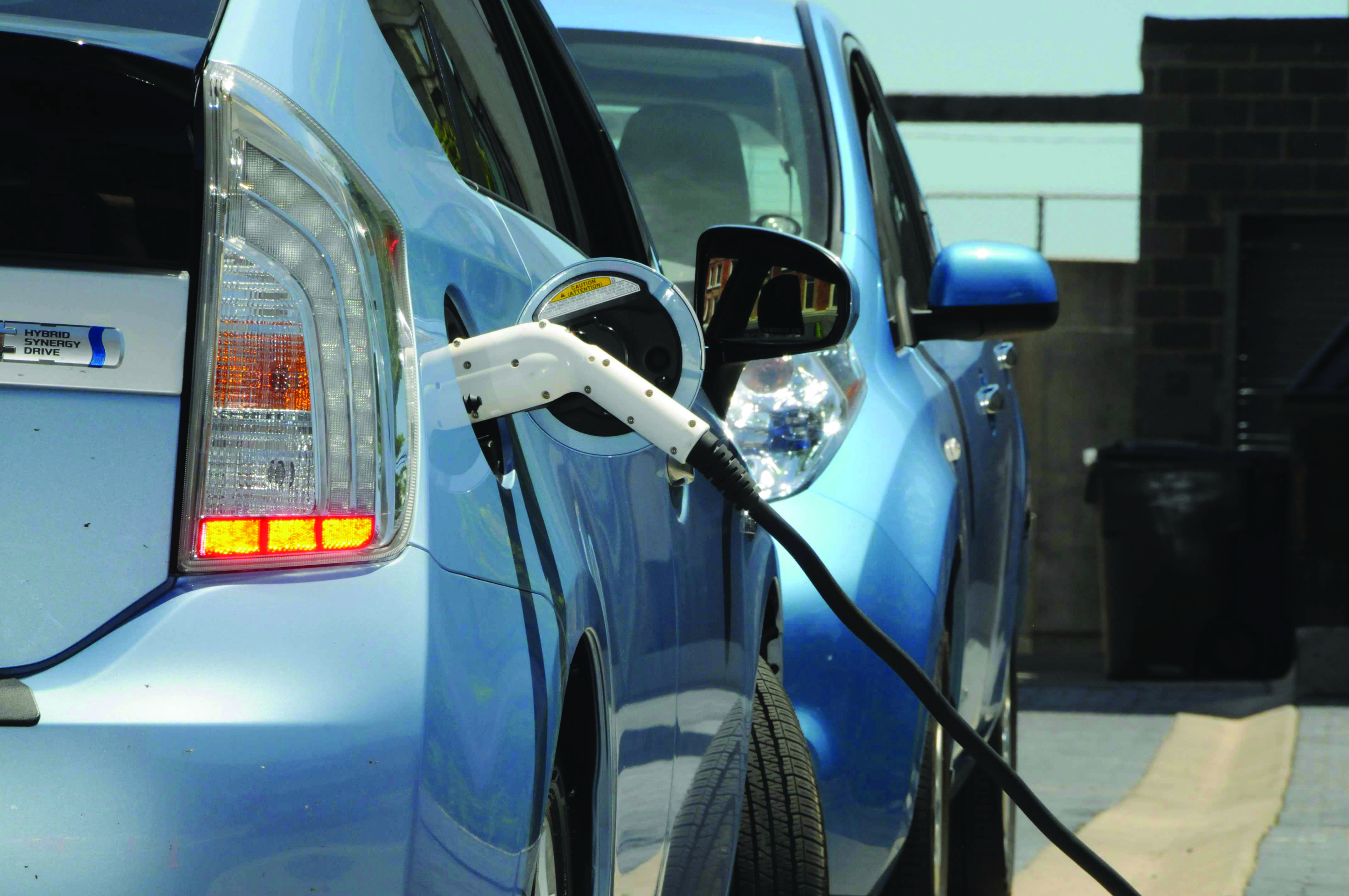
EVs will be back in style as both consumers and our governments recognize that they are better value and less polluting. There is no future for Canadian automakers and the jobs they provide if Canada tries to join the US in sitting out the move to EVs. We think we’ll be seeing more affordable EVs and a major government push on charging infrastructure.
Sustainable Housing:
Big changes to the rules that guide building in our cities will come this year. In the place of regulations that have prevented mid-rise buildings (think four stories with six apartments), we anticipate cities and towns will recognize that the housing crisis will be partly solved by encouraging more of this type of building. This will allow us to densify our existing neighbourhoods rather than relying on environmentally destructive urban sprawl.
No new pipelines:
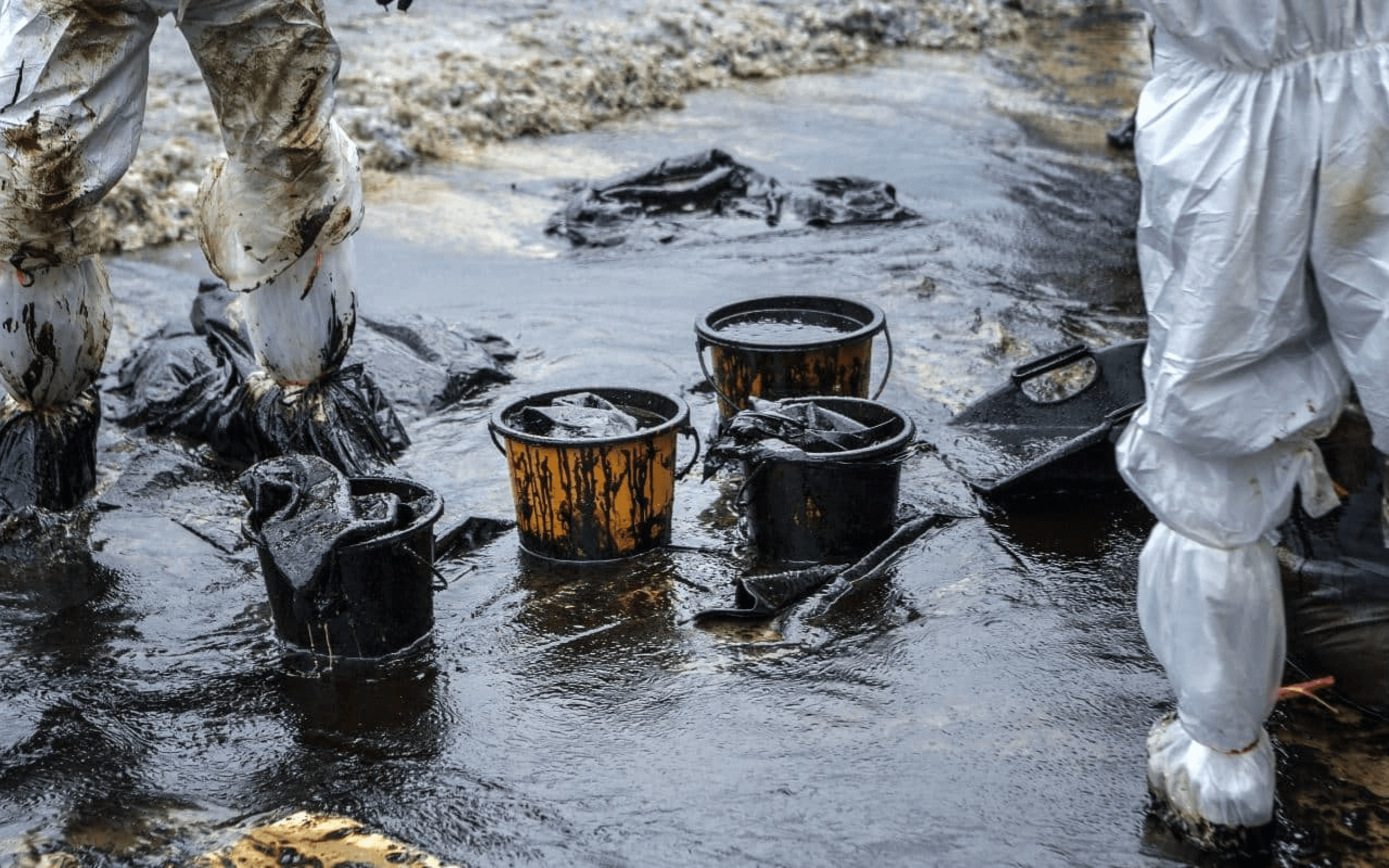
Finally, the cynical Alberta-Federal MOU that undercuts Canadian climate action will run up on the rocks of its own making. Oil demand is expected to peak by the end of this decade, meaning the massive increases in oil sands production and risky bitumen pipeline to the British Columbia north coast make no economic sense. These projects will never move forward. We’ll be reading the MOU’s epitaph well before year-end.
Our vision for 2026 is clear: a Canada where clean water, a safe climate, and healthy communities ground all our efforts to create economic and social prosperity. Join us to help make it all happen.