Transit over Traffic
Hard Truths for Addressing Gridlock in the GTA


Hard Truths for Addressing Gridlock in the GTA
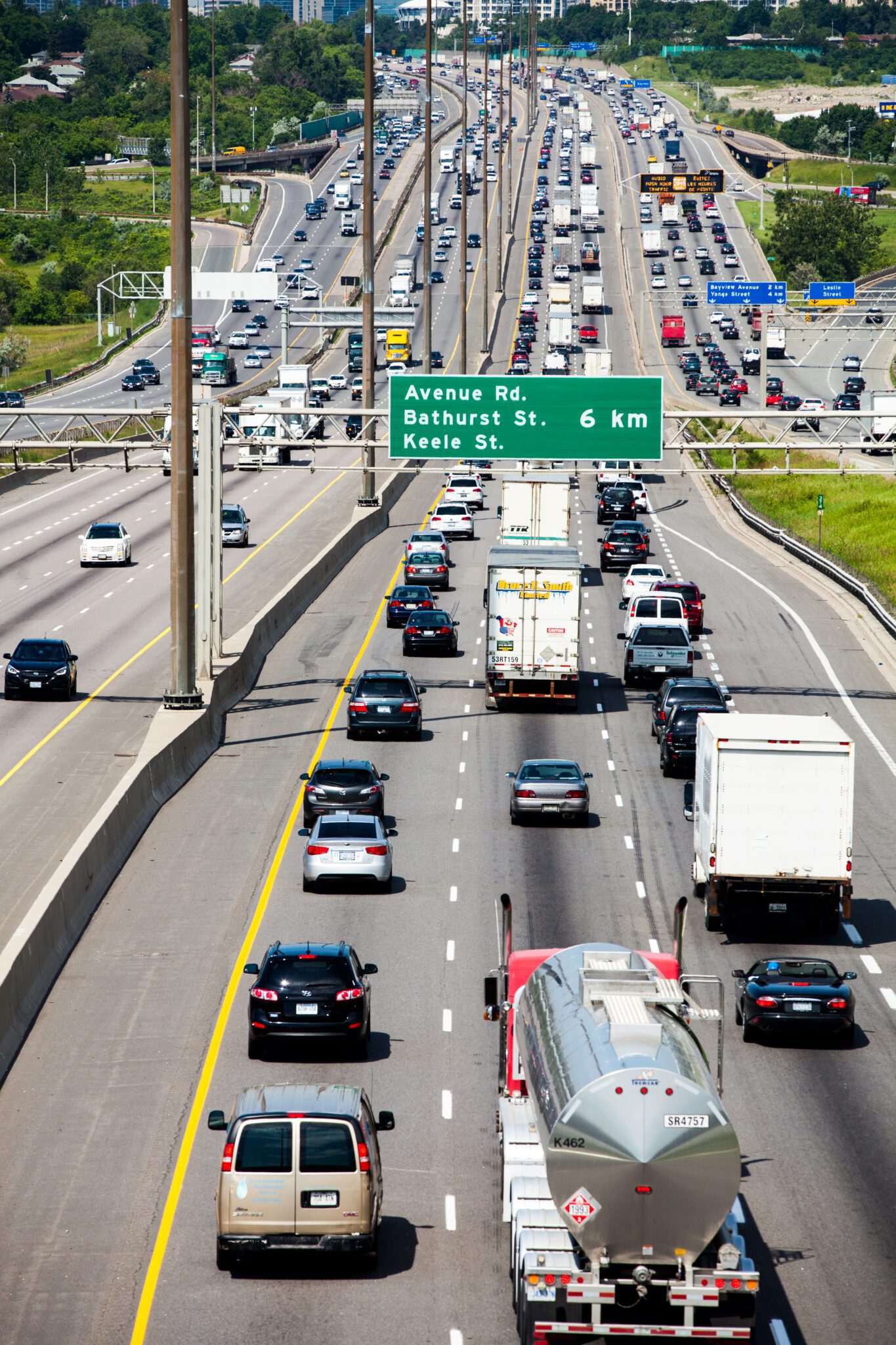
Ontario's current response to the congestion crisis is worsening traffic rather than alleviating it. Many rapid transit projects remain unfunded, and the funded ones are plagued by delays, litigation, and cost overruns. As a result, new transit capacity has not kept pace with population growth. At the same time, operating support for public transit is shrinking: the Public Transit Fund has lost 30% of its value since its inception, service levels have fallen 18% since 2018, and Metrolinx's cancellation of its GO Expansion contract with Deutsche Bahn signals hesitation to deliver higher-frequency service.
Making the problem worse, the province continues to pursue environmentally damaging and ineffective mega-highway projects, including Highway 413, the Bradford Bypass, and a proposed Highway 401 tunnel costing $50-100 billion. The concept of "induced demand" reminds us that adding lanes and highways encourages more people to drive, leading to more gridlock. The province is poised to spend roughly $80 billion on highway projects that its own modelling shows will not reduce congestion. At the same time, Ontario is heavily subsidizing driving by eliminating license plate fees, reducing gas taxes, and removing tolls, costing the treasury over $2.5 billion per year. Land-use changes through Bill 185 and the Provincial Planning Statement further entrench sprawl, ignoring expert advice to legalize more density and locking residents into long car-dependent commutes.
Even after adding 134 km of new lanes to Highway 401 in the past decade, traffic is projected to double and speeds to drop by half by 2051. The same "induced demand" phenomenon exists for transit, but with the opposite, positive outcomes: increased service frequency reliably attracts riders.
As Lewis Mumford famously said, "Adding car lanes to deal with traffic congestion is like loosening your belt to cure obesity." This makes the case for shifting investment toward public transit service improvements rather than expanding highways. Highway 413 provides a clear case study for how Ontario could instead invest in solutions that actually reduce congestion while vastly expanding options for Ontarians to get around. For roughly the same cost, the province could deliver a suite of unfunded transit projects in the western GTA, including GO rail expansions to Kitchener, Bolton/Caledon, and Pearson Airport; and long-awaited LRT and BRT projects in Vaughan, Brampton, and Mississauga. These projects, such as the 43 km East-West 407 BRT, the Brampton Main Street LRT, and the Brampton Queen/York BRT, would collectively move 17,300 people per hour per direction, more than double the carrying capacity of Highway 413, while supporting climate goals, livable communities, and long-term congestion relief.
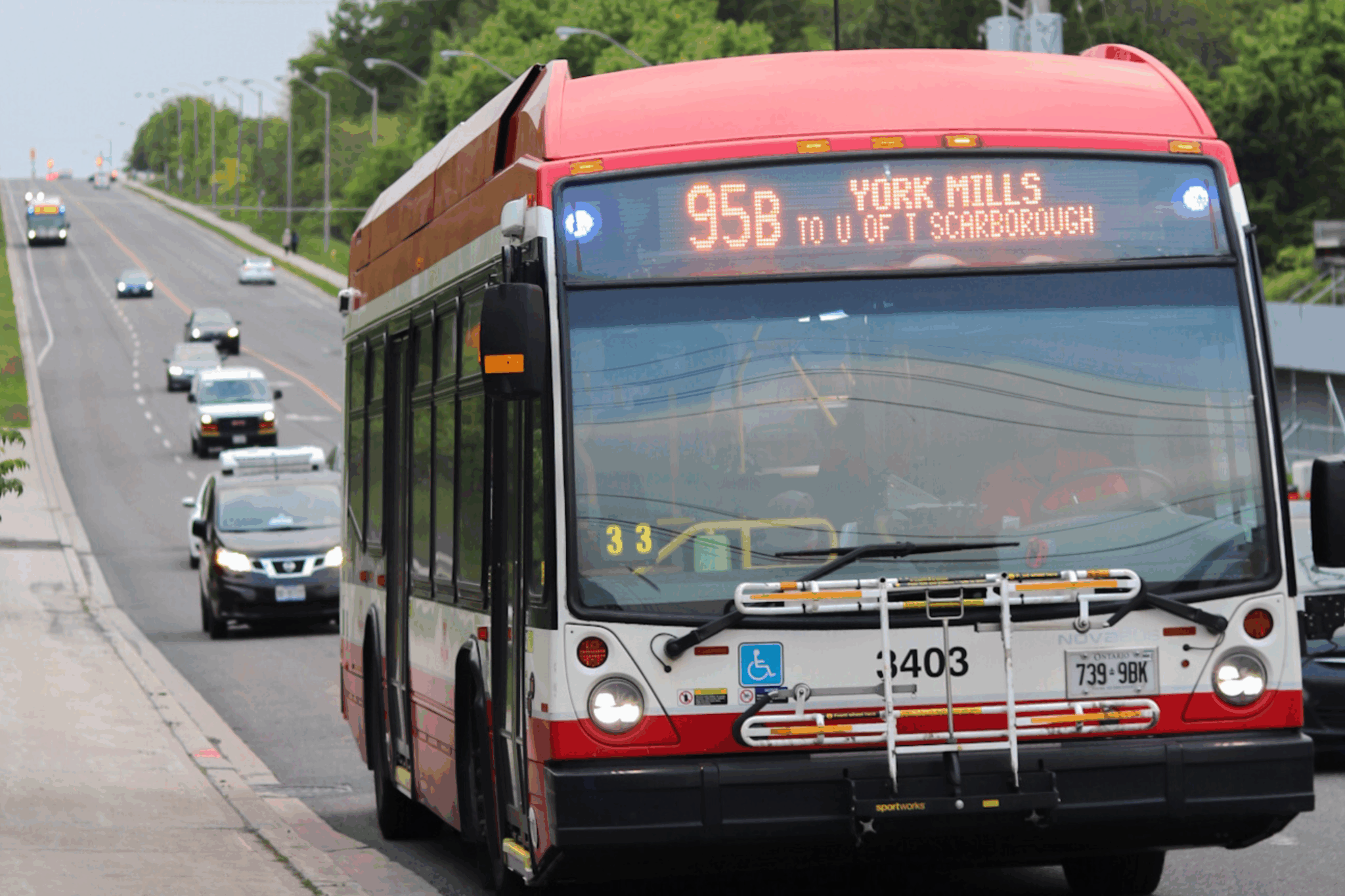
If the province spent this money on investing in public transit instead,
We could build enough light rail to connect Toronto to Sudbury
We could move more than double the amount of people per hour
We could build the equivalent of three new transit lines spanning the entire width of the GTHA
Primary Report Writing and Research: Peter Miasek of Transportation Action Ontario and Mike Marcolongo of Environmental Defence. For a full list of contributors, please download the report.
© Copyright December 2025 by ENVIRONMENTAL DEFENCE CANADA. Permission is granted to the public to reproduce or disseminate this report, in part, or in whole, free of charge, in any format or medium without requiring specific permission. Any errors or omissions are the responsibility of ENVIRONMENTAL DEFENCE CANADA.


