


Would you like an extra $500? How about $500 per year for the next decade? On the flip side, how would it be if you were suddenly $500 worse off? For the majority of readers, this number is nothing to sniff at.
New research from Environmental Defence Canada and the University of Toronto has put a number on something Canadians have long suspected: climate change is making home insurance more expensive. Outside of what inflation would normally account for, the research finds that annual premiums are $533 higher today than they were in 2008 — driven entirely by climate change.
The more pollution from oil and gas that’s released into the atmosphere, the more likely we are to experience hot and dry summers, droughts, extreme rain and storms and other dangerous weather events. The science is well established. And the costs are clear.
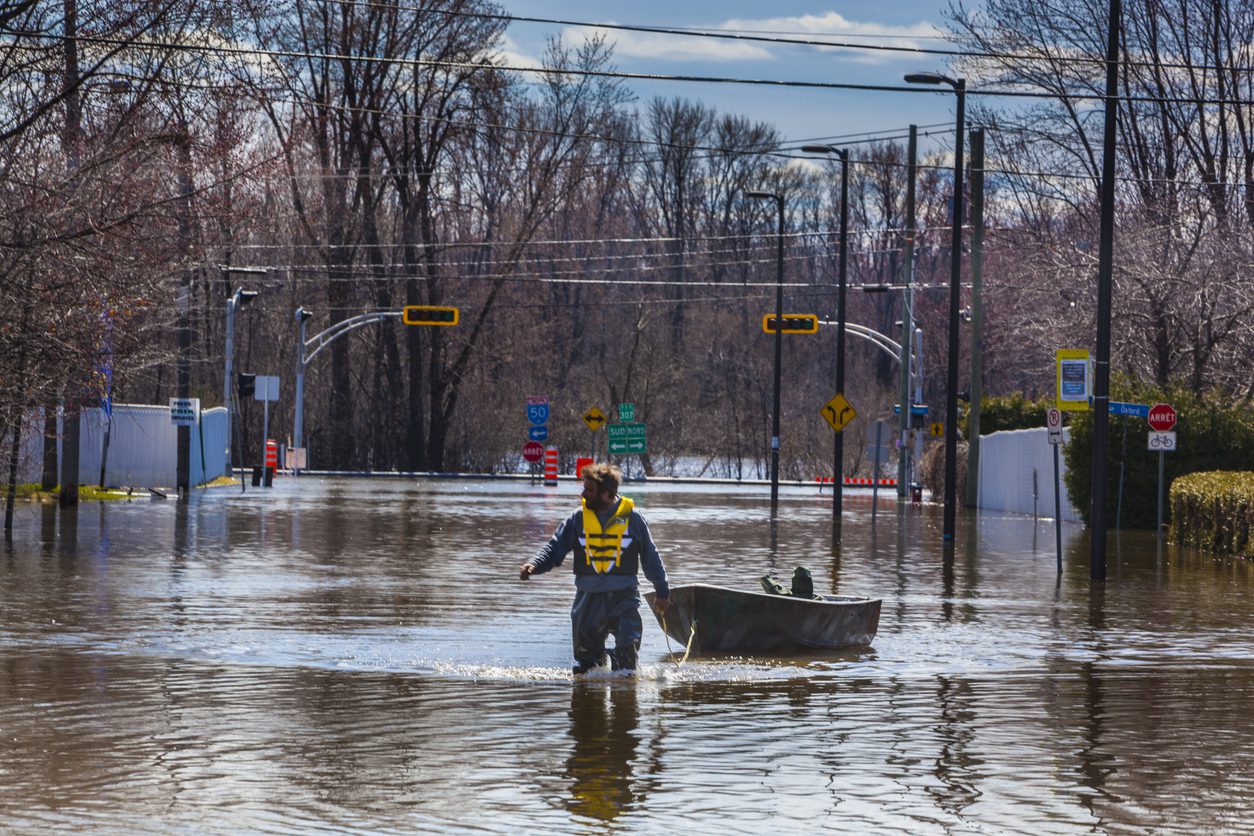
In recent years, unfortunately Canadians from coast to coast to coast have increasingly faced extreme weather: hail storms in Calgary, flash floods in the Greater Toronto area, ice storms in Quebec, fires in Manitoba and many more disasters across the country. Every disaster means thousands of Canadians lives are uprooted as they are left to deal with the damage.
Luckily, Canadians have insurance to make these costs manageable. Unluckily, as a result of increasing extreme weather events, insurance companies are having to hike up customer rates as a result of the increasing billions they’re having to pay out every year.
The average household in Toronto is paying over $5000 in home insurance premiums, 17 per cent more than in 2022. Our research estimates the effects of climate change are responsible for about half of this increase. Meanwhile, many insurance companies are changing what types of coverage they offer high-risk homes, pulling the rug out from vulnerable Canadians. Costs are going up and coverage is going down.
Prime Minister Carney’s plan to build Canada’s economy and address unaffordability hinges on building pipelines, expanding LNG exports, and weakening environmental protections — policies that will put more fossil fuel pollution into the atmosphere, not less. Every tonne of additional emissions increases the probability of the extreme weather events that are already costing Canadian homeowners hundreds of dollars a year. Canadians voted for a government that promised to take both the affordability crisis and the climate crisis seriously. Right now, it is making both measurably worse.
Climate change has been in the backseat to discussions about economic growth and energy sovereignty in recent months. In the quiet springtime calm before the wildfire season begins, the actual impacts of fossil fuel pollution have become less tangible. But this is about to change.
What is the Prime Minister going to say to Canadians in a few weeks when kids sports games are cancelled when the air is too toxic to breathe due to wildfire smoke? What will he say when hailstorms rain down billions of dollars in damages, or when floods destroy homes in Ontario and Quebec? What will he say when insurance rates are up for renewal in coming months and hardworking Canadians can’t afford to insure their homes?
Canadians deserve a government that treats the climate crisis as a core part of the affordability crisis. The science is settled. The economics are clear. The bills are in the mail.
Click below to read our latest report!