


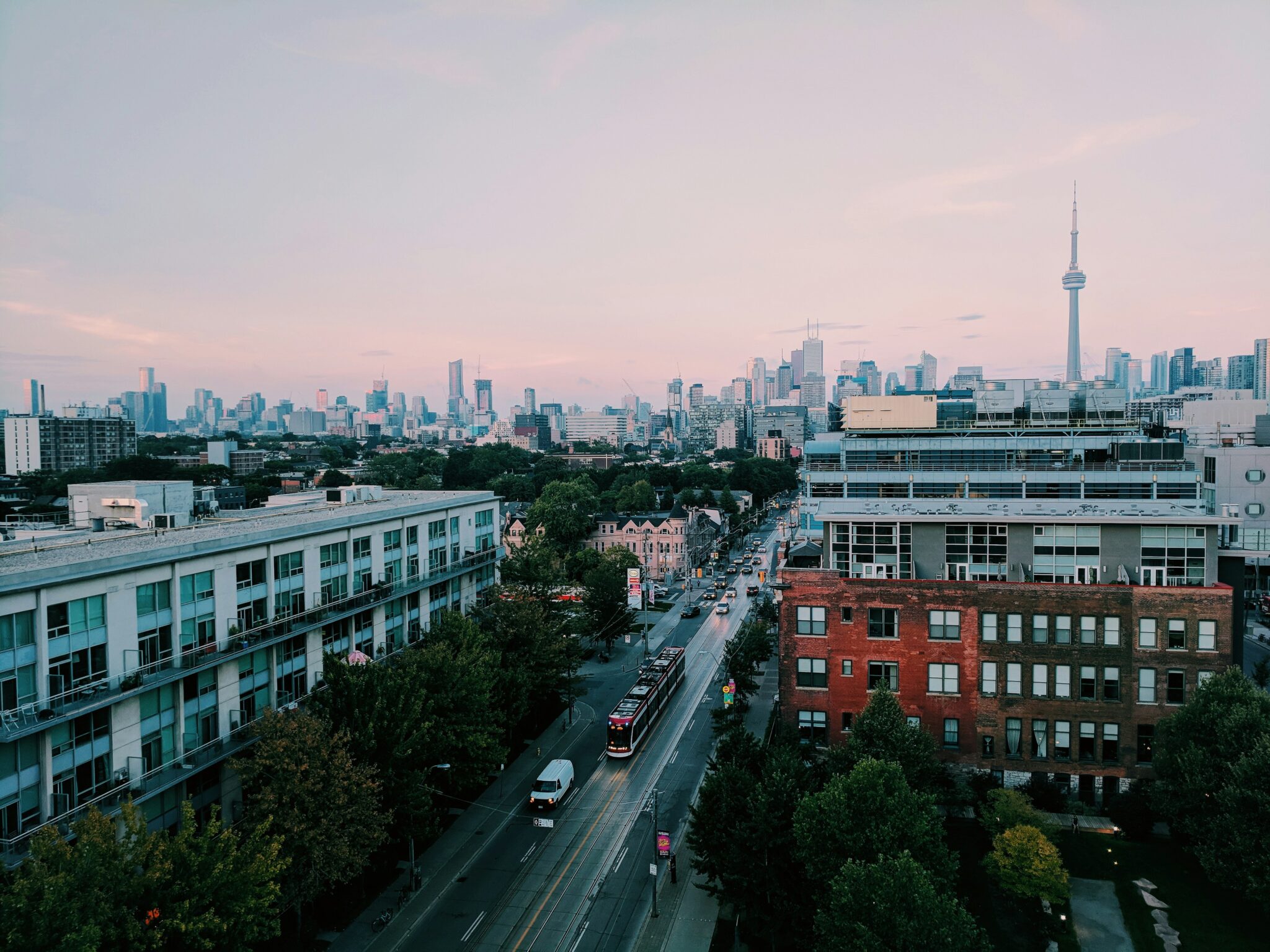

For years now, a provincially-led shift to mid-rise (and similar) infill has been the only realistic approach to keeping up with Ontario’s housing needs. By clinging to inefficient sprawl and “NIMBY” anti-midrise laws, the Ontario government has squandered construction capacity, causing a housing shortage.
In stark contrast to most other municipalities (and its own predecessors) who’ve largely acquiesced to this failed approach, the City of Toronto’s current government has been taking our advice, and working proactively to try and unleash mid-rise housing development. The good news for Torontonians is that continuing to pursue this path of reform is our best hope of escaping the “development cliff” that will otherwise grind homebuilding to a halt.
Over the past 3 years, Toronto City Council has been making a respectable effort to fix municipal laws and policies that made what should have been the cost-effective form of housing development artificially costly and thus, usually non-viable to build. Those old laws have been:
- Limiting midrise to expensive land,
- Requiring expensive materials & construction methods,
- Requiring time-consuming approvals,
- And subjecting it to unnecessary fees and charges, expensive land, and requiring costly, carbon-heavy, and inefficient construction methods.
Toronto City Council’s biggest, most important, most praiseworthy move in this direction was to free mid-rise housing from the tiny, high-priced slivers of residential land it was limited to, by allowing it inside the City’s previously lowrise “neighbourhoods”. In June 2024, Council took Environmental Defence’s advice, and rezoned Toronto neighbourhoods’ major streets, amounting to tens of thousands of residential lots, to permit six storey buildings of up to sixty apartments without a costly and time-consuming rezoning.
The City has also been tackling the more indirect zoning and policy obstacles that could otherwise reduce these new permissions to a symbolic gesture on many of the affected properties. Even before it rezoned “Major Streets”, Toronto removed one of the biggest artificial contributors to cost (and environmental impact) by removing the requirement to include on-site resident parking in new housing developments. Since October 2024, it has delivered a number of other needed reforms outlined in the Mid-rise Manual that we commissioned with former infill developer Bob Eisenberg. These have included removing “step-back” requirements for buildings up to six storeys, and starting to legalize mid-rise heights on more of the City’s “avenues” (commercial and mixed use streets).
These reforms always made sense as a way to increase housing output at a time when construction was running at full tilt: because six storey mid-rise buildings can be built using timber, they can make more efficient use of labour and materials that we’ve been squandering on sprawl and “McMansion” rebuilds. Now that economic pessimism and financing obstacles are set to stall slower and larger-scale developments, quicker, simpler mid-rise projects are precisely what’s needed to fill the gap.
However, those benefits won’t materialize if Toronto doesn’t keep moving forward. The good news is that the City government is doing just that. This month, Toronto’s Planning and Housing Committee directed staff to continue progress towards reforms that, if adopted, could reduce the cost of building each new family-sized (three bedroom) midrise home by $75,000. Those reforms include:
- Removing the requirement for amenity spaces for buildings up to 60 units. In Toronto we already have restaurants, gyms, and community halls, so why not use them? Builders can provide amenity space if they think it will help sell their building, but under 60 units, the City is suggesting they do not need to.
- Increasing the Payment-in-Lieu of Bicycle Parking eligibility from 50% to 100%, so builders can put money into the City-wide Bike Share program instead of providing a prescribed number of bike parking spaces. They can also put outside bike stands in more locations, or host a Bike Share station at the building. This is a great example of getting rules out of the way and allowing creative design to solve problems.
- Continuing to research alternatives to “Type G” garbage collection rooms, which take up an obscene amount of space, for Mid-rise buildings over 30 units.
Because a lot of the most important obstacles to housing are exclusively controlled by the province, and even Toronto’s own reforms were delayed due to the Premier’s legislative meddling, we are unlikely to avoid a major slowdown. However, these are good reforms – both for the environment and for every Torontonian in search of a decent home. If you speak out in favour of them – in planned consultations, and in this year’s election, they’ll become law around this time next year… and we may manage to escape the “development cliff”.


