

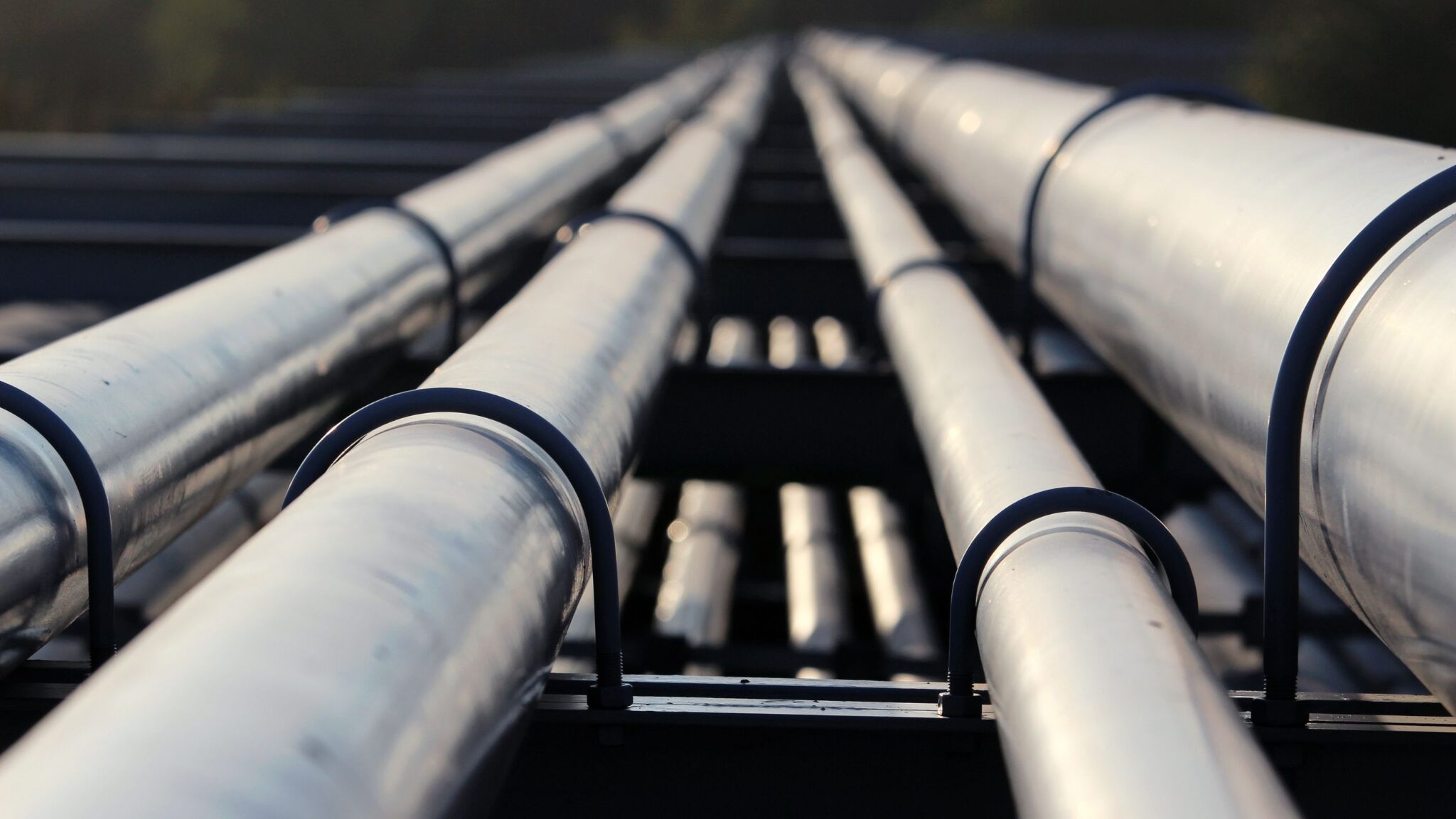

It is hard to describe the scale of the attack on the public interest represented by this MOU, because it tries to resurrect the Northern Gateway oil sands pipeline, fast-track polluting gas-powered AI data centres, and trash climate action.
But it needs to be done….
Let’s start at the spectacular northwest Pacific coast, where the heavy, gooey oil sands oil would be taken from a new pipeline and put in mega tankers at Prince Rupert or Kitimat. They then have to push through either the Douglas Channel and into the Hecate Strait to get to the open Pacific (Kitimat terminus) or into the Hecate Strait directly (Prince Rupert terminus). The Hecate Strait is known as the most dangerous place for ships in Canada, where shallow water, fierce storms, and high waves combine to dash ships onto its rocky shores. The Douglas Channel itself is narrow, island-studded, and often shrouded in fog and heavy rains.
A shipwreck and tanker rupture would send heavy oil to the bottom of the shallow strait, where it would move with the tides and waves, decimating marine and linked terrestrial life. The communities and cultures, particularly those of coastal First Nations, would face devastating impacts for generations. At the same time, the multi-billion-dollar fisheries and tourism industries would collapse, threatening livelihoods and local economies.
Moving inland, the pipeline would have to be built to cross approximately 1,900 km of mountains, valleys, and forests to reach Fort McMurray. This means countless rivers, wetlands, and streams that would be disturbed and put at permanent risk of a pipeline break. Fish, bears, elk, wolves, caribou, birds, insects and entire ecosystems would be at risk. In addition, the recently passed and draconian Bill C-5 could be used by the federal government to bypass the due diligence requirements of the Fisheries Act, Impact Assessment Act and Species at Risk Act, leading to a data-scarce rush-to-approval that would create great long-term risks.

To fill the pipeline, oil production would need to increase by 1 million barrels per day. The current production rate across all of Alberta is just over 4 million barrels per day, so this would represent almost a 25 per cent increase. Those barrels don’t just leap out of the ground. They would have to be cooked out of the bituminous sands using gas. This means producing an additional 28.9 MT of CO2 pollution at current emission intensities. All of this would be happening while wildfires rage, glaciers melt, storms destroy nations, refugees flee, and Canada produces the world’s 2nd highest per capita carbon pollution.
More oil produced also means 25 per cent more tailings per year being dumped together with the trillions of litres of toxic wastewater and mud that already lie unprocessed and leaking into the Athabasca River and downstream into the water supply of the people at Fort Chipewyan and Mikisew Cree First Nations. It will also mean 25 per cent more tailings added each day to the more than $200-billion plus unfunded liability for a future cleanup bill that Canadians are being left to pay for.
The MOU’s promised removal, for Alberta, of the Clean Electricity Regulations would set the province free to ramp up the installation of high-pollution gas plants to power massive new demand from AI data centres. For the Alberta government, this approach pairs nicely with their current stifling and near shutdown of cheap and clean wind and solar projects, which could have provided the power needed for this new industry. For the federal government and all of us, it invites demands from provinces such as Ontario to scrap the Clean Electricity Rules for them as well.
Cancelling the Oil and Gas Emissions Cap sends a signal that ever-increasing pollution from Canada’s largest and growing source will not be directly addressed and pushed downward to match the successful pollution reduction efforts of other industries and sectors of the economy.
The massive tax subsidies planned for the oil industry’s carbon capture and oil recovery project, even if they work as planned (and existing plants have not) , will only capture a small proportion of the increase in pollution that will occur as a result of filling the new pipeline and will do nothing to address the pollution that is being emitted today. Oh, and the carbon dioxide pipeline that will snake across the landscape to the carbon capture plant would be incredibly deadly if it leaks.
All of the above promised mayhem is supposed to be counter-balanced by a promise from the Alberta government to, at some yet undefined point in the future, increase the effective price paid by industry for spewing carbon pollution. This is from a province that has just finished weakening its pricing system and led the successful disinformation campaign against the consumer carbon price for years. We can all count on the push against fixing this broken pricing system to begin immediately, loudly and dishonestly by the oil industry, the Conservative Opposition and the Alberta UCP. It is worth noting that such genuflection to the Alberta government is unnecessary because the Supreme Court has clearly ruled that the federal government has the right and obligation to impose a national carbon price to address the climate crisis. Many other provinces will now, of course, also want to negotiate their way out of an effective pollution price regime.
Lastly, there is no private company that is willing to be the proponent for the pipeline or put up the money for carbon capture. In fact, the oil industry has been busy reaping the profits from previous investments and returning big dividends to shareholders. Its CEOs are watching oil demand projections turn downward as the rest of the world outside North America turns to electric transportation and EVs and installs solar, wind and batteries. The oil industry leadership says, “Sure, we will use a pipeline if Canadians pay for it,” and “If you want us to pollute less, pay for it”. Such viewpoints are economically rational for them, but grossly irresponsible for Canadian governments that have an obligation to plan for the future and protect their citizens.
Over ten years ago Canadians came together to stop the Northern Gateway pipeline and secure climate action. Unfortunately, we will have to do so again, and we will. Our economic, environmental and cultural future depends upon it.
Footnote 1. Using the Canada Energy Regulator’s average emissions intensity for oil production (79.3 kg CO2 per barrel) and the expected capacity of a 1 million barrel per day pipeline:
1,000,000 barrels/day x 365 days x 79.3 kg/barrel = 28.9 MT of CO2/year. This would represent an increase of 4.1% in Canada’s overall Greenhouse gas emissions (694 MT as of 2023).
Tell PM Carney: Stop the Pipeline MOU Before It Goes Any Further